
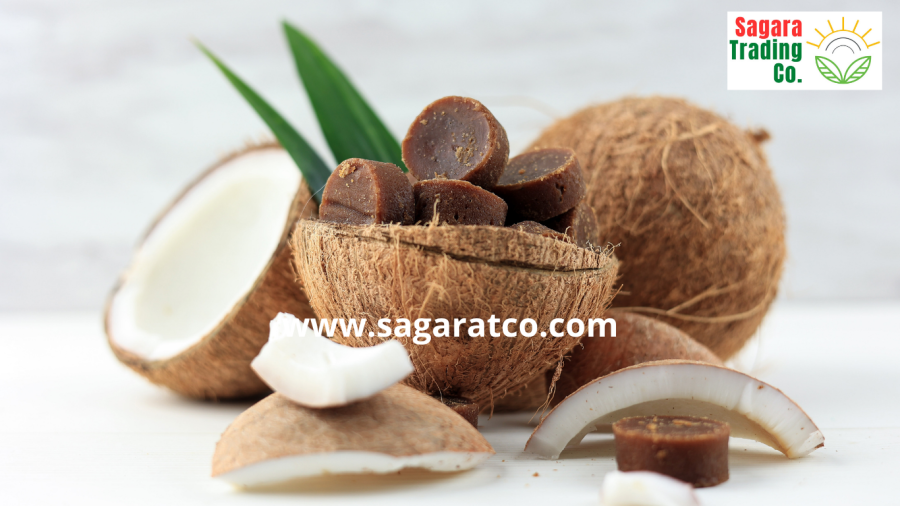
As consumers become increasingly aware of food quality, sustainability, and ingredient transparency, the demand for coconut sugar continues to rise worldwide. Food manufacturers, retailers, and health-conscious consumers are paying closer attention to how ingredients are produced and certified. One of the most common questions in the natural sweetener market is: What is the difference between organic and conventional coconut sugar?
Understanding these distinctions is important for importers, distributors, and consumers seeking products that align with their values and market requirements. As one of the world's leading producers, Indonesia plays a key role in supplying both organic and conventional coconut sugar to international markets.
What Is Coconut Sugar?
Coconut sugar is a natural sweetener made from the nectar of coconut palm blossoms. The sap is collected and gently heated until the water evaporates, leaving behind granulated sugar crystals with a rich golden-brown color and a pleasant caramel flavor.
Because of its versatility, coconut sugar is widely used in:
-
Bakery products
-
Beverages
-
Healthy snacks
-
Plant-based foods
-
Confectionery
-
Functional foods
Its growing popularity is closely linked to consumer interest in natural and minimally processed ingredients.
What Makes Coconut Sugar Organic?
Organic coconut sugar is produced according to certified organic farming and processing standards.
Organic Farming Practices
Organic coconut sugar comes from coconut palms cultivated without the use of:
-
Synthetic pesticides
-
Chemical herbicides
-
Artificial fertilizers
-
Genetically modified organisms (GMOs)
Farmers rely on natural agricultural practices to maintain soil fertility and plant health while protecting the surrounding ecosystem.
Certification Requirements
To be marketed as organic, coconut sugar must typically meet certification standards established by recognized organizations such as:
-
USDA Organic
-
EU Organic
-
JAS Organic (Japan)
-
Other accredited organic certification bodies
These certifications require regular inspections, documentation, and compliance throughout the production process.
What Is Conventional Coconut Sugar?
Conventional coconut sugar is also derived from coconut blossom nectar and follows a similar production process. However, the farming methods used may not be certified organic.
Production Differences
Conventional producers may have access to a wider range of agricultural inputs and are not required to follow organic certification protocols.
Importantly, conventional coconut sugar remains a natural sweetener, but it does not carry official organic certification.
For many manufacturers, conventional coconut sugar remains an attractive option due to its availability and competitive pricing.
Key Differences Between Organic and Conventional Coconut Sugar
Certification and Traceability
One of the most significant differences is verification.
Organic coconut sugar offers documented certification and traceability that provide assurance to buyers seeking compliance with organic product standards.
Conventional coconut sugar may still be high quality but lacks formal organic certification.
Market Positioning
Organic coconut sugar is commonly used in:
-
Organic food products
-
Premium health foods
-
Clean-label brands
-
Natural wellness products
Conventional coconut sugar is frequently selected for:
-
Mainstream food manufacturing
-
Bakery production
-
Beverage applications
-
Cost-sensitive product formulations
Price Considerations
Organic certification, inspections, and compliance requirements generally result in higher production costs. As a result, organic coconut sugar often commands a premium price compared to conventional alternatives.
Sustainability and Consumer Trends
Global consumers increasingly prioritize sustainability, transparency, and environmentally responsible sourcing.
Organic coconut sugar often appeals to consumers seeking products that support:
-
Sustainable agriculture
-
Reduced chemical inputs
-
Environmental stewardship
-
Responsible farming practices
At the same time, many conventional coconut sugar producers also implement sustainable harvesting methods, particularly in Indonesia, where coconut sap is collected without harming the trees.
Why Indonesian Coconut Sugar Is Trusted Worldwide
Indonesia is one of the largest producers and exporters of coconut sugar globally. The country's favorable climate, extensive coconut plantations, and generations of farming expertise contribute to its strong reputation in international markets.
Advantages of Indonesian Coconut Sugar
International buyers value Indonesian coconut sugar for its:
-
Consistent quality
-
Rich caramel flavor
-
Reliable supply capacity
-
Sustainable production methods
-
Export experience and logistics support
Whether organic or conventional, Indonesian coconut sugar continues to meet the needs of food manufacturers, distributors, and retailers worldwide.
Conclusion
Both organic and conventional coconut sugar offer unique advantages depending on market requirements and business objectives. Organic coconut sugar provides certified compliance and premium market positioning, while conventional coconut sugar offers flexibility and cost efficiency for broader food applications.
As demand for natural sweeteners continues to grow, Indonesian coconut sugar remains a trusted solution for global buyers seeking quality, sustainability, and reliable supply.
Partner with CV Sagara Trading Corp
CV Sagara Trading Corp is a trusted exporter of Indonesian coconut sugar, specializing in premium-quality coconut sugar and other natural commodities. Through strong quality control, sustainable sourcing practices, and dependable export services, the company helps importers, distributors, and food manufacturers access authentic Indonesian products that meet international market standards.
Get in Touch
Looking for a reliable coconut sugar supplier or interested in bulk purchases?
WhatsApp: +62 878 4405 6342
Email: sales@sagaratco.com
Instagram: @sagaratco
Facebook: Sagaratco
Website: www.sagaratco.co
#Sagaratco #OrganicProduct #SustainableTrade #HealthyLiving #NaturalSweetener #CoconutSugar #IndonesiaCoconutSugar #OrganicSugar #ConventionalSugar #CleanLabel #SustainableFood #EcoFriendlySweetener #PlantBased #SugarAlternative #HealthyLifestyle #NaturalFlavor #FoodIndustry #SweetFromNature #CoconutFarmers #IndonesianExport #GlobalMarket #OrganicCertification #SustainableSweetness #CVSagaraTradingCorp
Category:


