
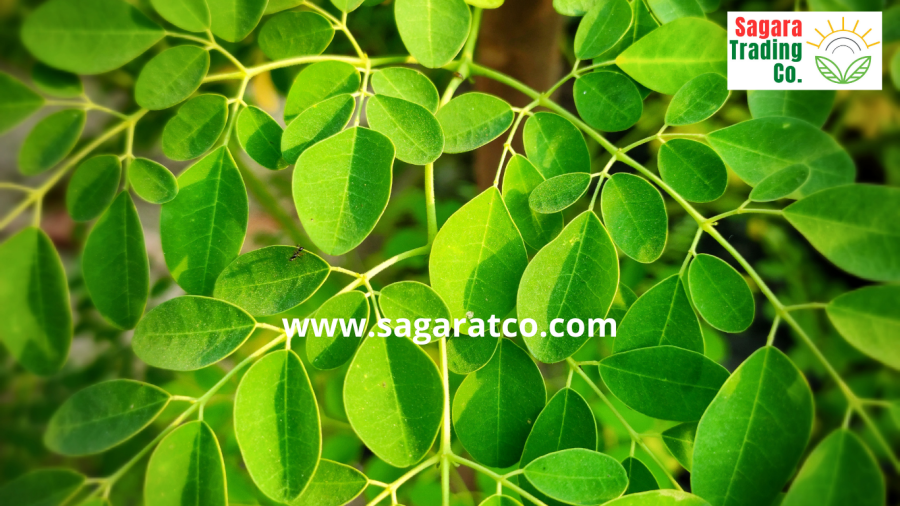
Moringa (Moringa oleifera) is increasingly recognized as one of the world’s most versatile plant-based superfoods. Rich in nutrients, adaptable to different climates, and useful in food and wellness applications, moringa is attracting attention from consumers, manufacturers, importers, and distributors worldwide. In Indonesia, the growing interest in moringa powder and sustainable moringa farming creates an opportunity to connect nutrition with responsible agriculture.
Beyond its nutritional value, moringa has an important sustainability story. When cultivated responsibly, sustainable moringa farming in Indonesia can support soil health, biodiversity, efficient land use, rural livelihoods, and the development of environmentally conscious agricultural supply chains.
Why Moringa Is Considered a Sustainable Superfood
Moringa leaves contain a variety of nutrients and naturally occurring plant compounds, including protein, dietary fiber, minerals, vitamins, carotenoids, and polyphenols. The leaves can be processed into moringa leaf powder and incorporated into smoothies, teas, functional beverages, nutrition products, sauces, bakery products, and other food formulations.
What makes moringa particularly interesting from a sustainability perspective is the plant's versatility. Multiple parts of the moringa tree have traditional and commercial uses, while the leaves can be harvested and processed into a shelf-stable ingredient.
For global food companies seeking plant-based ingredients, this combination of nutritional value, versatility, and sustainable agriculture makes Indonesian moringa an increasingly attractive ingredient.
1. Efficient Use of Agricultural Land
Sustainable moringa farming can contribute to more efficient agricultural land use. Moringa is known for its ability to grow in a range of environmental conditions and can be integrated into suitable farming systems.
Responsible cultivation practices can help farmers maximize the productivity of existing agricultural areas while reducing pressure to expand farming into environmentally sensitive locations. The most sustainable approach depends on local soil, rainfall, biodiversity, and land-management conditions.
2. Supporting Soil-Friendly Farming Practices
Moringa farming can become part of broader soil-management strategies when combined with appropriate agricultural practices.
Farmers can improve sustainability by using techniques such as composting, mulching, crop diversification, erosion control, and responsible nutrient management. These approaches can help maintain soil structure and reduce dependence on unnecessary synthetic inputs.
Importantly, moringa itself should not automatically be described as a solution to every soil problem. The environmental benefits depend heavily on how the crop is cultivated and managed.
3. Potential Contribution to Biodiversity
Agricultural biodiversity is increasingly important as food companies and consumers pay closer attention to ecological resilience.
Moringa can be incorporated into diversified farming systems alongside other appropriate crops and vegetation. Mixed agricultural landscapes can provide more varied habitats than simplified monoculture systems, potentially supporting beneficial insects and other organisms.
For Indonesian farmers, biodiversity-focused agriculture can also provide an opportunity to create more resilient production systems while supplying ingredients for the global natural products market.
4. Reduced Agricultural Waste Through Multiple Applications
Sustainability is not only about how crops are grown. It also involves how efficiently agricultural resources are used after harvesting.
Moringa has applications across food, beverage, personal care, and traditional wellness markets. Leaves can be dried and processed into powder, creating a convenient ingredient with a longer storage potential than fresh leaves.
Efficient processing, appropriate drying, careful handling, and responsible packaging can further help reduce unnecessary product losses throughout the supply chain.
5. Supporting Rural Communities in Indonesia
Sustainable agriculture is also a social and economic issue. The growing international demand for Indonesian moringa can create opportunities for farmers, processors, collectors, packaging businesses, and logistics providers.
A well-managed moringa supply chain can contribute to rural economic activity by connecting agricultural communities with international food and wellness markets.
However, meaningful sustainability requires more than simply increasing production. Fair purchasing relationships, transparent sourcing, farmer education, safe working conditions, and consistent quality standards are essential for creating long-term value.
6. Moringa and the Global Plant-Based Food Movement
The global food industry is increasingly interested in plant-based ingredients that combine functionality, nutrition, and sustainability. Moringa fits naturally into this movement.
Moringa powder can be used in green smoothies, functional beverages, nutrition blends, snack products, bakery formulations, herbal teas, and other clean-label concepts. Its green color and distinctive botanical character can also give food brands a recognizable natural ingredient story.
For importers and distributors, Indonesian moringa therefore represents more than a commodity. It can become part of a broader plant-based nutrition and sustainable food innovation strategy.
7. Why Indonesia Has Strong Potential for Moringa Production
Indonesia has a diverse agricultural landscape and an established reputation as a producer and exporter of plant-based agricultural commodities. Its tropical environment provides opportunities for cultivating moringa in suitable regions.
The country's agricultural expertise, processing capabilities, and export infrastructure can support the development of higher-value moringa products.
For international buyers, the opportunity lies in working with suppliers who can provide consistent specifications, responsible sourcing, appropriate processing, reliable documentation, and quality-focused export services.
Building a More Sustainable Moringa Supply Chain
The environmental benefits of moringa should be considered across the entire supply chain—not only at farm level.
A responsible supply chain may include:
-
Sustainable land management
-
Efficient water use
-
Responsible soil and nutrient management
-
Reduced pesticide dependence where appropriate
-
Proper harvesting practices
-
Energy-efficient drying and processing
-
Food-safety controls
-
Sustainable packaging solutions
-
Efficient transportation and logistics
-
Traceability from farm to finished product
This approach helps international buyers evaluate moringa not only according to price and nutritional specifications but also according to environmental and social performance.
CV. Sagara Trading Corp: Indonesian Moringa Powder Supplier for Global Markets
CV. Sagara Trading Corp is one of the suppliers of moringa powder in Indonesia, supporting the growing international demand for Indonesian natural agricultural products. With a focus on connecting Indonesian production with global markets, CV. Sagara Trading Corp offers an opportunity for importers, distributors, food manufacturers, and wellness brands seeking Indonesian moringa powder for their product development and sourcing needs.
By emphasizing quality, responsible sourcing, reliable communication, and international-oriented service, CV. Sagara Trading Corp aims to contribute to a stronger and more sustainable Indonesian moringa supply chain. For businesses looking for moringa powder from Indonesia, partnering with a dependable supplier can be an important step toward developing consistent, responsible, and market-ready products.
The Future of Sustainable Moringa Farming in Indonesia
As consumers increasingly look for foods that support both personal wellness and environmental responsibility, moringa has an opportunity to become an important Indonesian agricultural export.
The future of sustainable moringa farming should focus on balancing productivity with environmental stewardship. Better farming practices, responsible processing, farmer development, traceability, and quality assurance can strengthen the industry's long-term potential.
For international food and wellness companies, Indonesian moringa offers an appealing combination of plant-based nutrition, agricultural versatility, and sustainability potential. With responsible development, moringa can help connect Indonesia's agricultural communities with the rapidly expanding global market for natural, nutritious, and environmentally conscious ingredients.
Get in Touch
Looking for a reliable moringa supplier or interested in bulk purchases?
WhatsApp: +62 878 4405 6342
Email: sales@sagaratco.com
Instagram: @sagaratco
Facebook: Sagaratco
Website: www.sagaratco.co
#MoringaGlobalMarket #MoringaExports #SuperfoodRevolution #SustainableTrade #OrganicMoringa #GlobalWellness #HealthyLiving #GreenEconomy #MoringaLeafPowder #NaturalSupplements #HerbalNutrition #IndonesiaExport #MoringaBusiness #PlantBasedPower #EcoFriendlyFarming #NaturalProducts #MoringaFromIndonesia #TrustedSupplier #CVSagaraTradingCorp #MoringaForTheWorld #SustainabilityMatters #WellnessIndustry #AgriculturalExport #Sagaratco #MoringaInnovation #Moringa #MiracleTree #NaturalHealth #SustainableFarming #IndonesianMoringa
Category:


