
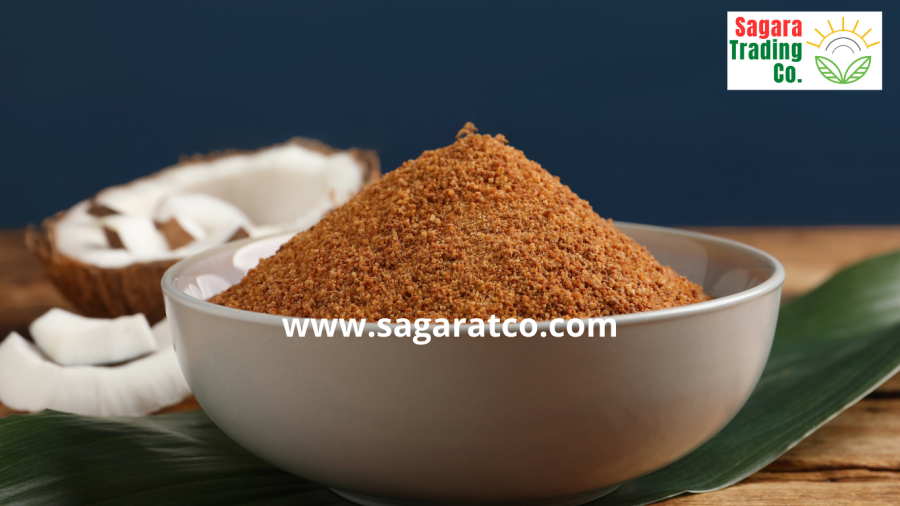
As global consumers move away from highly refined sugars, researchers and food innovators are turning their attention to natural sweeteners that offer both functional and sustainability benefits. One ingredient attracting growing scientific and commercial interest is coconut blossom nectar—the natural sap harvested from coconut palm flowers and the primary source of coconut sugar.
Produced widely in Southeast Asia, especially Indonesia, coconut blossom nectar is increasingly viewed as a promising solution for the future of healthier and more sustainable sweeteners.
Why the World Is Rethinking Sweeteners
Rising Health Awareness and Sugar Reduction
Excessive consumption of refined sugar has been linked to various health concerns, including obesity, diabetes, and metabolic disorders. As a result, global health organizations and consumers alike are seeking lower-glycemic, minimally processed alternatives.
Coconut blossom nectar stands out due to its lower glycemic index, which means it causes a slower rise in blood sugar levels compared to conventional white sugar.
The Science Behind Coconut Blossom Nectar
Naturally Occurring Nutrients
Unlike refined sweeteners, coconut blossom nectar retains trace amounts of minerals such as potassium, zinc, iron, and magnesium, along with inulin, a natural prebiotic fiber. Researchers are particularly interested in inulin for its potential role in supporting gut health and improving glucose metabolism.
Gentle Processing Preserves Quality
Coconut blossom nectar is traditionally processed through low-temperature evaporation, preserving its natural compounds and resulting in coconut sugar with a mild caramel aroma and balanced sweetness.
Sustainability: A Key Driver of Research
Low Environmental Impact Agriculture
From an environmental standpoint, coconut palms are highly sustainable. They produce sap year-round without the need for tree cutting or replanting, making coconut sugar production renewable and eco-friendly.
Researchers studying sustainable food systems increasingly highlight coconut blossom nectar as a model for climate-friendly sweetener production.
Supporting Rural Economies
In Indonesia, coconut sugar production supports thousands of smallholder farmers. This social impact adds further value for global buyers prioritizing ethical sourcing and fair trade.
Indonesian Coconut Sugar in the Global Market
Innovation Meets Tradition
As food manufacturers explore functional ingredients for health-focused products, coconut sugar from Indonesia is gaining traction in markets across Europe, North America, and Asia. Its versatility allows it to be used in beverages, plant-based foods, bakery products, and functional nutrition.
With rising research interest and consumer demand, coconut blossom nectar is no longer just a traditional ingredient—it is becoming a future-ready sweetener.
A Reliable Coconut Sugar Supplier from Indonesia
CV Sagara Trading Corp is one of the suppliers of organic and conventional coconut sugar in Indonesia, connecting international buyers with high-quality products sourced directly from Indonesian farmers. By combining traditional harvesting methods with strict quality control and export standards, CV Sagara Trading Corp ensures consistency, traceability, and sustainability.
As a trusted coconut sugar supplier from Indonesia, CV Sagara Trading Corp supports long-term partnerships while contributing to responsible agricultural development.
Get in Touch
Looking for a reliable coconut sugar supplier from Indonesia or interested in bulk purchases?
WhatsApp: +62 878 4405 6342
Email: sales@sagaratco.com
Instagram: @sagaratco
Facebook: Sagaratco
Website: www.sagaratco.co
#Sagaratco #OrganicProduct #SustainableTrade #HealthyLiving #NaturalSweetener#CoconutSugar #IndonesiaCoconutSugar #CoconutSugarIndonesia#SustainableFood #EcoFriendlySweetener#OrganicSugar#PlantBased #SugarAlternative #FairTradeSugar#HealthyLifestyle #AsianSuperfood #SweetFromNature#CoconutFarmers #IndonesianExport #GlobalMarket#SustainableSweetness #CVSagaraTradingCorp
Category:


