
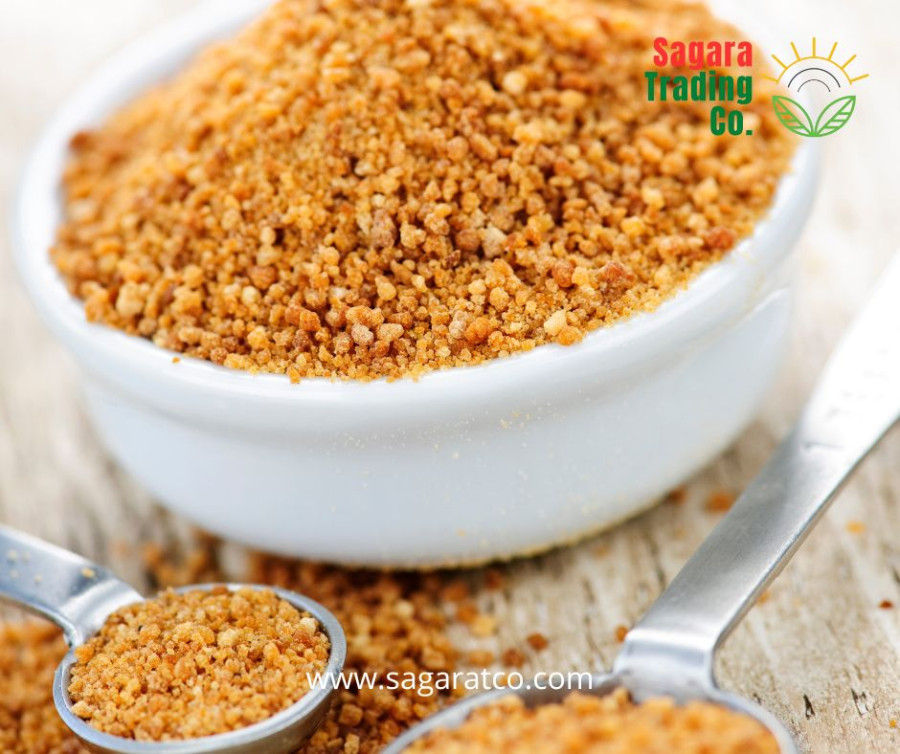
Coconut sugar is more than just a sweetener—it is a cultural heritage that reflects Indonesia’s rich agricultural traditions, sustainable farming practices, and strong connection to nature. Long before it became a health-conscious alternative in Western markets, coconut sugar was a staple in Indonesian kitchens, an essential ingredient in local delicacies, and a symbol of community livelihood.
Today, the world knows coconut sugar not just for its delicious caramel-like taste, but for its sustainable production, health benefits, and authenticity. This article explores the fascinating journey of coconut sugar in Indonesia—from ancient traditions to becoming a global favorite—and how CV Sagara Trading Corp proudly carries forward this legacy as a trusted supplier of high-quality coconut sugar.
Ancient Roots: The Origins of Coconut Sugar in Indonesia
The history of coconut sugar production in Indonesia dates back hundreds of years. Villages across Java, Bali, and Sumatra have long tapped the nectar from coconut and palm trees, boiling it down into a golden-brown crystal or block known as gula kelapa or gula jawa.
This traditional process wasn’t just about producing a sweetener—it was a community effort that often involved entire families. Early farmers would climb tall coconut trees at dawn to collect nira (coconut sap), then immediately boil it in large woks over wood-fired stoves. This age-old method, passed down through generations, ensured purity and quality without any artificial additives.
In many regions, coconut sugar also carried cultural significance, being used in religious offerings, wedding ceremonies, and harvest festivals. It symbolized gratitude to nature for its abundant resources.
The Traditional Production Process: A Craft of Patience and Skill
The method of making coconut sugar has remained largely unchanged over centuries. It is a slow, artisanal process that values quality over quantity:
-
Sap Collection – Skilled farmers tap the flower buds of the coconut tree to collect nira.
-
Immediate Heating – The sap is quickly boiled to prevent fermentation.
-
Slow Reduction – Hours of gentle boiling turn the sap into a thick syrup.
-
Shaping and Cooling – The syrup is poured into molds or stirred until it crystallizes.
This traditional, chemical-free process not only preserves the flavor but also retains nutrients such as potassium, magnesium, zinc, and iron—making coconut sugar both delicious and nutritious.
Coconut Sugar’s Role in Indonesian Cuisine
In Indonesian cooking, coconut sugar is a star ingredient. It adds depth and a hint of caramel to countless traditional dishes:
-
Klepon – Sweet rice cake balls filled with melted coconut sugar.
-
Gudeg – A slow-cooked young jackfruit dish from Yogyakarta.
-
Satay Marinades – Where coconut sugar balances the savory flavors of grilled meats.
-
Traditional Drinks – Such as wedang jahe (ginger tea) and es cendol.
Its versatility in both savory and sweet recipes shows why coconut sugar has been an irreplaceable part of the Indonesian pantry for generations.
From Village Kitchens to Global Markets
The rise of the clean eating movement and increased awareness about healthier sweeteners have propelled coconut sugar onto the global stage. In Europe, the United States, and Australia, it is often marketed as a natural alternative to refined white sugar due to its:
-
Low Glycemic Index – Helps manage blood sugar levels.
-
Mineral Content – Contains small amounts of vitamins and minerals.
-
Minimal Processing – Retains natural flavors and nutrients.
As demand grows, Indonesia remains the world’s leading producer, exporting thousands of tons of coconut sugar annually. The traditional expertise of Indonesian farmers is now appreciated worldwide, giving this humble sweetener an international reputation.
Sustainability and Community Impact
Coconut sugar production is inherently sustainable. Coconut trees require minimal water, help prevent soil erosion, and continue producing sap for decades without being cut down. Additionally, the industry supports rural economies by providing stable income for smallholder farmers.
For many families, producing coconut sugar is not just a job—it’s a way of life that preserves their heritage while ensuring economic stability. Every purchase of authentic Indonesian coconut sugar directly supports these rural communities.
CV Sagara Trading Corp: Continuing the Legacy
In today’s global market, quality, authenticity, and sustainability are key. CV Sagara Trading Corp stands as a trusted supplier of premium Indonesian coconut sugar, ensuring that buyers worldwide receive products that meet international standards.
By working directly with experienced farmers and maintaining strict quality control, CV Sagara ensures every batch of coconut sugar is pure, chemical-free, and sustainably produced. Whether for retail packaging or bulk orders, CV Sagara delivers the taste of tradition with the reliability that global buyers demand.
A Sweet Heritage for the Future
Coconut sugar’s journey from the lush coconut groves of Indonesia to the shelves of health-conscious stores in the West is a testament to its timeless appeal. It’s more than just a sweetener—it’s a story of culture, sustainability, and resilience.
As the world continues to embrace healthier and more sustainable food options, coconut sugar remains a shining example of how ancient traditions can thrive in the modern market. And with companies like CV Sagara Trading Corp leading the way, this ancestral legacy is set to inspire—and sweeten—tables around the globe for generations to come.
Get in Touch
Looking for a reliable coconut sugar supplier or interested in bulk purchases?
Partner with a company that values quality, transparency, and sustainability.
WhatsApp: +62 878 4405 6342
Email: sales@sagaratco.com
Instagram: @sagaratco
Facebook: Sagaratco
Website: www.sagaratco.com
CV Sagara Trading Corp – Supplying the world with Indonesia’s finest coconut sugar, straight from the source.
Category:


