
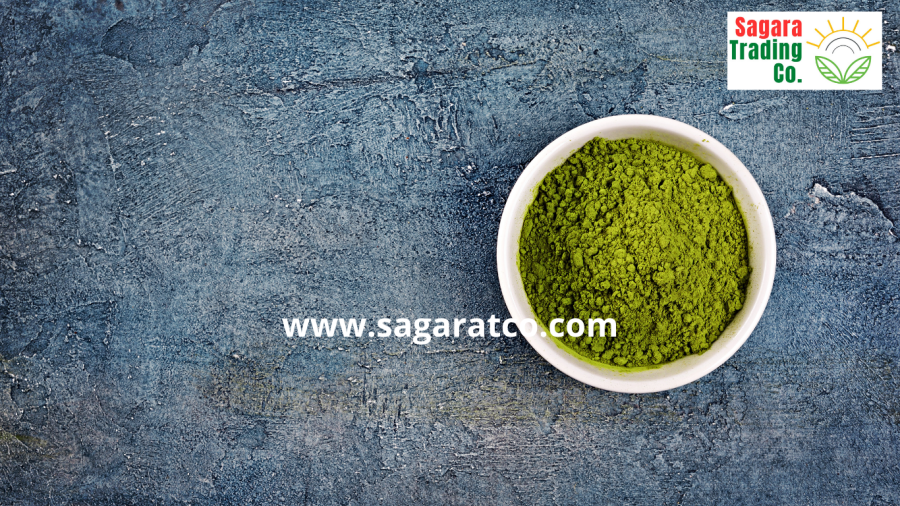
As global agriculture faces increasing pressure from climate change, soil degradation, water scarcity, and changing consumer expectations, farmers and food businesses are searching for crops that can contribute to more resilient and sustainable food systems. One plant receiving growing international attention is Moringa oleifera, a nutrient-rich tree commonly known as moringa or the “Miracle Tree.”
Moringa is gaining popularity not only as a natural superfood but also as a promising agricultural crop. Its nutritional value, versatility, and suitability for tropical growing conditions make it relevant to the global movement toward sustainable agriculture. For Indonesia, moringa also represents an opportunity to connect rural farming communities with the expanding international market for natural and plant-based ingredients.
What Makes Moringa Important for Sustainable Agriculture?
Moringa is a fast-growing perennial tree that can produce nutritious leaves under suitable environmental conditions. Unlike many annual crops that require repeated planting, an established moringa tree can continue producing leaves when appropriately managed.
This characteristic can make moringa an interesting component of diversified agricultural systems. Rather than relying exclusively on a single crop, farmers may incorporate suitable perennial plants into broader farming strategies.
However, moringa should not be presented as a universal solution to climate change. Its environmental performance depends on local soil, rainfall, irrigation, farming practices, land-use history, and agricultural management.
Moringa and Climate-Resilient Farming
Climate-resilient agriculture focuses on improving the ability of farming systems to withstand environmental pressures while maintaining productivity and supporting livelihoods.
Moringa can contribute to this concept in several ways.
1. Adaptability to Tropical Environments
Moringa is naturally associated with tropical and subtropical regions. Its suitability for warm climates makes it particularly relevant to countries such as Indonesia, where agricultural conditions can support the cultivation of many tropical crops.
With appropriate management, moringa can become part of diversified farms designed around local environmental conditions.
2. Perennial Production
Because moringa is a tree rather than a short-cycle annual crop, it can provide repeated leaf harvests after establishment.
Perennial agricultural systems can offer advantages in terms of reducing the need for repeated soil disturbance, although the actual environmental benefits depend heavily on how the land is managed.
Integrating trees into farming landscapes may also contribute to greater agricultural diversity and provide additional ecological functions.
3. Diversification of Farmer Income
Climate resilience is not only about environmental protection. It is also about economic resilience.
Farmers who depend entirely on one crop can face significant risks when weather conditions, pests, diseases, or commodity prices change. Moringa can provide another potential agricultural product, particularly where there is a reliable market for fresh leaves or processed moringa powder.
Developing value-added products can potentially increase the economic value of agricultural production.
Moringa as a Nutrient-Dense Food Crop
The environmental discussion becomes even more relevant when combined with nutrition.
Moringa leaves contain protein, dietary fiber, minerals, carotenoids, polyphenols, and other naturally occurring plant compounds. Nutritional composition varies according to cultivation, harvesting, processing, and storage conditions.
Once dried and processed into powder, moringa can be used in smoothies, functional beverages, nutritional products, snacks, bakery products, herbal teas, and other food applications.
This versatility creates an opportunity to connect sustainable agriculture with the growing global demand for nutrient-rich plant ingredients.
Moringa and Soil Health: Why Management Matters
Moringa is sometimes promoted as a highly sustainable crop, but responsible agricultural practices remain essential.
Good soil management can include maintaining organic matter, minimizing unnecessary erosion, managing water appropriately, and avoiding excessive dependence on synthetic agricultural inputs.
Farmers should select cultivation practices based on local soil conditions and climate. In areas where water is limited, irrigation should be managed efficiently rather than assuming that moringa requires minimal water under every circumstance.
A sustainable moringa supply chain therefore begins with responsible farming—not simply with the final product being labeled “natural.”
Moringa Farming and Biodiversity
Agricultural biodiversity can play an important role in resilient food systems.
Moringa can potentially be integrated into diversified farming systems alongside other appropriate crops, trees, and vegetation. Such systems can provide greater biological diversity than monoculture farming.
Diversification may also help farmers develop multiple income streams and reduce dependence on a single agricultural commodity.
The exact biodiversity benefits, however, depend on farm design and local ecological conditions. Moringa plantations should not replace natural ecosystems or encourage environmentally harmful land conversion.
Indonesia's Opportunity in Sustainable Moringa Production
Indonesia has significant potential in the global market for plant-based ingredients. Its tropical climate, agricultural knowledge, and diverse rural production areas create opportunities for developing a stronger Indonesian moringa powder industry.
Sustainable moringa farming in Indonesia can connect several important trends: rural economic development, natural ingredient demand, plant-based nutrition, and responsible agricultural production.
For international buyers, Indonesian moringa can provide an attractive origin story when supported by appropriate traceability, quality control, and responsible farming practices.
Why Quality Processing Is Essential
Sustainability does not end when moringa leaves are harvested.
Post-harvest handling and processing have a major influence on product quality. Leaves should be handled hygienically and dried using appropriate methods to reduce moisture while helping preserve desirable nutritional and sensory characteristics.
For commercial moringa powder suppliers, quality control should include appropriate testing for microbiological parameters, moisture, contaminants, heavy metals, pesticide residues where applicable, and other specifications required by the destination market.
Efficient processing can also help reduce product losses and improve the value of harvested moringa leaves.
Growing Global Demand for Sustainable Plant Ingredients
The international food industry is increasingly interested in ingredients that combine nutrition with sustainability.
Moringa fits this trend because it can be positioned as a plant-based ingredient with applications across food, beverage, wellness, and functional nutrition categories.
Food manufacturers can incorporate moringa into:
-
Functional beverages
-
Smoothies
-
Nutrition powders
-
Energy bars
-
Healthy snacks
-
Bakery products
-
Herbal tea
-
Plant-based foods
-
Dietary supplement formulations
This growing versatility can create additional demand for sustainably produced Indonesian moringa.
CV. Sagara Trading Corp: Connecting Indonesian Moringa With Global Markets
CV. Sagara is one of the suppliers of moringa powder in Indonesia, supporting the growing international interest in Indonesian agricultural ingredients. By connecting Indonesian moringa with importers, distributors, food manufacturers, and wellness businesses, CV. Sagara Trading Corp aims to contribute to the development of a professional and export-oriented moringa supply chain.
For international buyers searching for a reliable moringa powder supplier in Indonesia, supplier selection should consider product consistency, food safety, documentation, traceability, packaging, processing standards, and long-term supply capability.
Building strong relationships between Indonesian producers and international buyers can help create a more resilient agricultural value chain.
The Future of Moringa and Climate-Resilient Agriculture
Moringa alone cannot solve the challenges facing global agriculture. However, it can become one component of a broader strategy focused on crop diversification, responsible land management, rural economic opportunities, nutritional security, and sustainable supply chains.
As global consumers increasingly seek natural, plant-based, and responsibly sourced products, demand for moringa may continue to expand.
For Indonesia, the opportunity is particularly significant. Sustainable cultivation combined with careful processing, quality assurance, and transparent international trade can transform moringa from a traditional agricultural crop into a valuable global ingredient.
Ultimately, the future of moringa lies not only in its reputation as a superfood but in how responsibly it is cultivated, processed, and traded. When environmental stewardship, farmer livelihoods, nutrition, and market demand are considered together, Indonesian moringa can play a meaningful role in the development of more resilient and sustainable food systems.
Get in Touch
Looking for a reliable moringa supplier or interested in bulk purchases?
WhatsApp: +62 878 4405 6342
Email: sales@sagaratco.com
Instagram: @sagaratco
Facebook: Sagaratco
Website: www.sagaratco.co
#MoringaGlobalMarket #MoringaExports #SuperfoodRevolution #SustainableTrade #OrganicMoringa #GlobalWellness #HealthyLiving #GreenEconomy #MoringaLeafPowder #NaturalSupplements #HerbalNutrition #IndonesiaExport #MoringaBusiness #PlantBasedPower #EcoFriendlyFarming #NaturalProducts #MoringaFromIndonesia #TrustedSupplier #CVSagaraTradingCorp #MoringaForTheWorld #SustainabilityMatters #WellnessIndustry #AgriculturalExport #Sagaratco #MoringaInnovation #Moringa #MiracleTree #OrganicSuperfood #NaturalHealth #SustainableFarming #IndonesianMoringa
Category:


