
Color plays a major role in how consumers perceive food quality, flavor, and freshness. In the global food industry, the golden-brown appearance of baked goods, sauces, beverages, and desserts is often associated with richness, warmth, and premium taste. As consumer demand shifts toward natural ingredients and clean-label products, food manufacturers are increasingly exploring alternatives to refined sugar and synthetic additives.
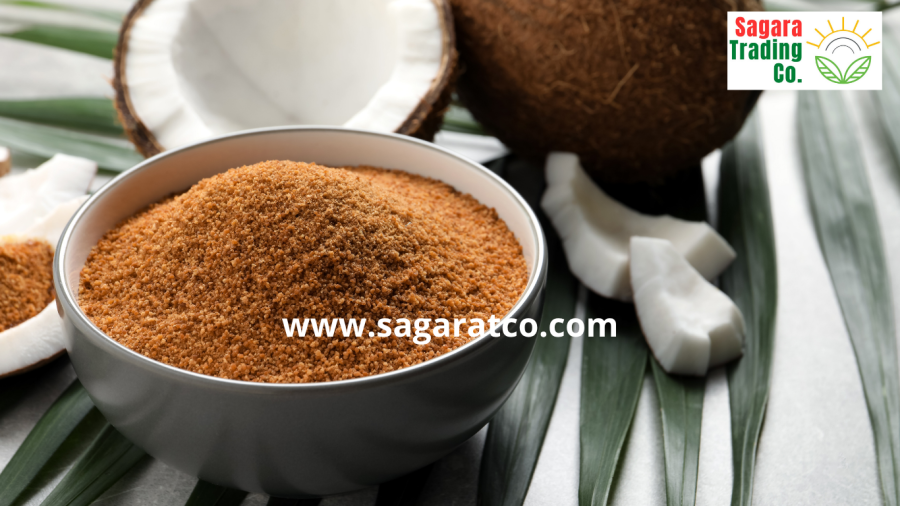
One ingredient attracting growing attention is Indonesian coconut sugar, a natural sweetener known for its caramel flavor and exceptional browning properties. From artisan bakery products to gourmet beverages, coconut sugar is becoming a preferred ingredient for achieving a desirable golden hue naturally.
Understanding the Science of Browning
The Maillard Reaction Explained
The appealing golden-brown color found in baked and cooked foods is often the result of the Maillard reaction. This natural chemical reaction occurs when sugars interact with amino acids under heat, creating complex flavors, aromas, and colors.
The Maillard reaction is responsible for the rich appearance and taste of:
-
Bread crusts
-
Cookies and pastries
-
Roasted coffee
-
Grilled foods
-
Caramel sauces
-
Specialty beverages
Coconut sugar performs particularly well during this process because of its natural sugar composition and mineral content.
Caramelization and Flavor Development
In addition to the Maillard reaction, coconut sugar also contributes to caramelization during high-heat cooking. Caramelization occurs when sugars break down under heat, producing deeper colors and more complex flavor notes.
This process enhances foods with warm flavors often described as:
-
Caramel-like
-
Toffee-rich
-
Nutty
-
Earthy
-
Mildly smoky
These flavor characteristics make coconut sugar highly attractive for premium culinary applications.
Why Indonesian Coconut Sugar Stands Out
Naturally Rich in Flavor and Color
Indonesia is one of the world’s leading producers of coconut sugar, supported by its tropical climate and long-standing agricultural traditions. Indonesian coconut sugar is minimally processed from coconut palm sap, helping preserve its natural minerals, aroma, and deep golden color.
Unlike refined white sugar, which is heavily processed and neutral in flavor, coconut sugar adds both sweetness and visual richness to food products.
Ideal for Clean Label Food Products
Today’s consumers are increasingly drawn to clean-label foods made with recognizable, minimally processed ingredients. Coconut sugar aligns perfectly with this trend because it is:
-
Naturally derived
-
Plant-based
-
Minimally processed
-
Free from artificial additives
-
Sustainably sourced
As a result, food manufacturers are incorporating coconut sugar into recipes to improve both appearance and ingredient transparency.
Applications in the Modern Food Industry
Bakery and Confectionery Products
Coconut sugar is widely used in artisan baking because it enhances browning while contributing a pleasant caramel aroma. Products such as cookies, cakes, muffins, and granola bars benefit from its ability to create a visually appealing golden crust.
Specialty Coffee and Beverage Trends
The specialty beverage industry is also embracing coconut sugar due to its rich flavor profile and natural coloring effect. Coffee shops and beverage brands often use coconut sugar in lattes, cold brews, and functional drinks to create depth and complexity without relying on artificial syrups.
Plant-Based and Functional Foods
As plant-based diets continue growing globally, coconut sugar has become popular in vegan desserts, organic snacks, and wellness-focused food products. Its natural browning properties help manufacturers create visually appealing products using fewer synthetic ingredients.
Sustainability and Consumer Preference
Eco-Friendly Coconut Farming
Beyond culinary performance, coconut sugar is also valued for its sustainability advantages. Coconut trees require relatively low water usage and can continue producing sap for many years, making them more environmentally efficient than some conventional sugar crops.
In Indonesia, coconut farming often supports agroforestry systems that help preserve biodiversity and strengthen rural economies.
Supporting Ethical and Sustainable Supply Chains
Consumers increasingly want products that support both personal wellness and environmental responsibility. Choosing sustainably sourced coconut sugar helps encourage ethical trade and supports local farming communities across Indonesia.
As the global food industry continues shifting toward natural ingredients and clean-label innovation, Indonesian coconut sugar is becoming an increasingly valuable ingredient for food manufacturers and culinary professionals. Its ability to create a rich golden hue through natural browning reactions makes it ideal for modern bakery, beverage, and specialty food applications.
By combining flavor enhancement, visual appeal, and sustainable sourcing, coconut sugar represents the future of natural sweetening and premium food production.
CV Sagara Trading Corp is a trusted exporter of Indonesian coconut sugar committed to supplying premium-quality coconut sugar and other natural commodities to global markets. Through sustainable sourcing, consistent quality, and international standards, the company supports businesses seeking authentic Indonesian products.
Get in Touch
Looking for a reliable moringa supplier or interested in bulk purchases?
WhatsApp: +62 878 4405 6342
Email: sales@sagaratco.com
Instagram: @sagaratco
Facebook: Sagaratco
Website: www.sagaratco.co
#Sagaratco #OrganicProduct #SustainableTrade #HealthyLiving #NaturalSweetener #CoconutSugar #IndonesiaCoconutSugar #SustainableFood #EcoFriendlySweetener #OrganicSugar #TropicalTaste #CoconutGoodness #PlantBased #SugarAlternative #FairTradeSugar #HealthyLifestyle #NaturalFlavor #AsianSuperfood #SweetFromNature #CoconutFarmers #IndonesianExport #GlobalMarket #SustainableSweetness #CVSagaraTradingCorp
Category:


