
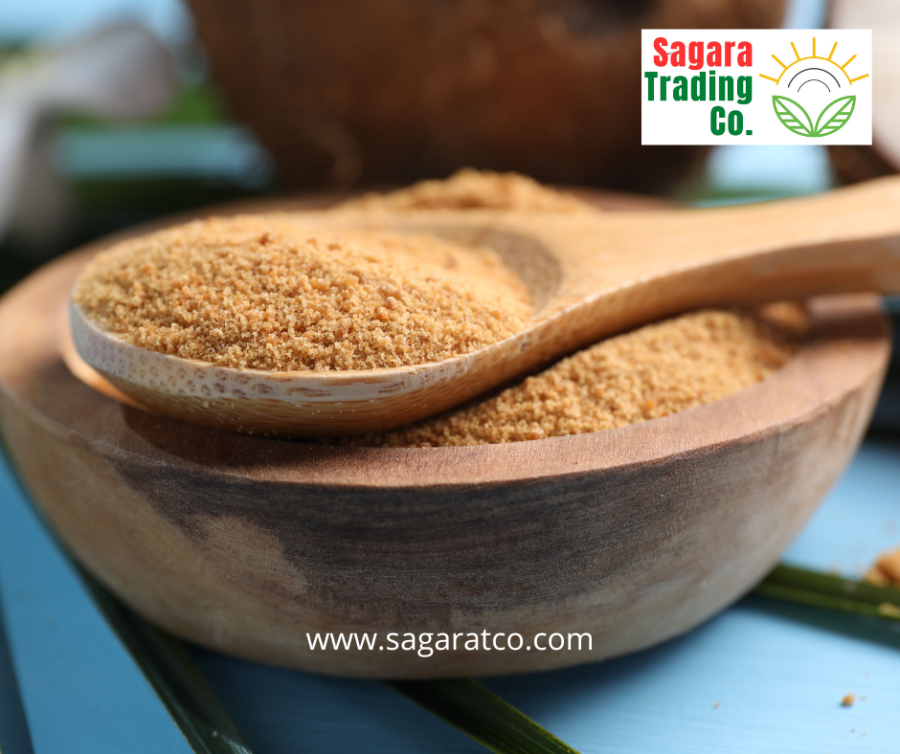
Have you ever tasted something so subtly sweet that it lingers on your tongue — not overpowering, but comforting, warm, and deeply satisfying? That’s the beauty of coconut sugar. Unlike refined white sugar that offers just a simple hit of sweetness, coconut sugar brings layers — earthy, caramel-like notes that awaken memories of homemade desserts and tropical warmth. But what makes its flavor so complex and addictive? The answer lies in both science and nature.
A Natural Sweetener Born from the Tree of Life
Coconut sugar, also known as coconut palm sugar, is made from the sap of coconut blossoms — the same tree that gives us coconut oil, coconut milk, and desiccated coconut. This sap is carefully collected, then gently heated to evaporate the water content until it thickens and crystallizes into beautiful golden-brown granules.
Unlike refined sugar that goes through extensive industrial processing, coconut sugar remains close to its natural form. This minimal processing preserves trace minerals, antioxidants, and the natural caramel tone that defines its flavor. Every spoonful of coconut sugar is a story of the tropics — of farmers collecting nectar at sunrise, of traditional craftsmanship, and of sustainability rooted in culture.
The Science Behind the Flavor: Maillard Reaction at Work
Here’s where the magic of caramel happens. Coconut sugar’s irresistible taste is largely the result of the Maillard reaction — a natural chemical process that occurs when amino acids react with sugars under heat. This same reaction gives roasted coffee, baked bread, and grilled meat their rich, golden-brown flavors.
When the coconut sap is heated during production, the Maillard reaction develops hundreds of aromatic compounds — creating notes of toffee, butterscotch, and light molasses. These flavor molecules make coconut sugar far more complex than plain sucrose (white sugar), which lacks the natural proteins and minerals that contribute to depth of flavor.
Why Coconut Sugar Tastes “Addictive”
Our taste buds don’t just crave sweetness — they crave balance. Coconut sugar has a lower glycemic index and a richer taste profile, which means it satisfies your sweet tooth without the sharp, one-dimensional hit of refined sugar.
It’s not about intensity — it’s about experience. The sweetness unfolds slowly, mingling with subtle hints of caramel and smokiness. That’s why coconut sugar feels comforting and indulgent at the same time — it’s like a cozy hug for your palate.
A Better Choice for You — and the Planet
Beyond its taste, coconut sugar carries another beautiful story — one of sustainability.
Producing coconut sugar requires minimal resources. The trees don’t need replanting every year, and harvesting the nectar doesn’t harm them. In fact, a single coconut tree can produce both food and raw materials continuously for decades — making it one of the most sustainable crops on Earth.
This means every grain of coconut sugar you use carries a lighter carbon footprint compared to cane sugar. By choosing coconut sugar, you’re not just sweetening your food — you’re supporting a greener, more ethical future.
The Texture and Aroma that Elevate Every Recipe
Bakers and chefs love coconut sugar not only for its flavor but also for its texture and color. Its slightly coarse, golden granules dissolve beautifully in batters, creating a tender crumb in cookies, cakes, and brownies. When melted, it imparts a glossy amber tone and deep aroma that instantly enhances any dish.
Try substituting coconut sugar for white sugar in:
-
Caramel sauces – for a richer, darker hue
-
Cookies and brownies – for a moist, chewy texture
-
Coffee or tea – for a smooth, non-bitter sweetness
-
Asian-inspired glazes or marinades – for that authentic tropical depth
It’s not just a sugar replacement — it’s a flavor upgrade.
Why Artisans and Food Innovators Love It
Across the world, food artisans are rediscovering coconut sugar as the “secret ingredient” for natural indulgence. Chocolatiers use it to enrich dark chocolate. Baristas love it for plant-based lattes. Even health brands use it in granola and energy bars for its clean label and subtle caramel aroma.
This global trend reflects a growing shift toward authentic, natural sweetness — the kind that tells a story of where it comes from. And coconut sugar’s story begins with hardworking farmers, lush coconut groves, and sustainable traditions.
Coconut Sugar vs. White Sugar — The Real Difference
| Feature | Coconut Sugar | White Sugar |
|---|---|---|
| Source | Coconut blossom sap | Sugarcane or sugar beet |
| Processing | Minimal, natural heating | Highly refined with chemicals |
| Flavor | Rich, caramel, slightly smoky | Simple, sweet, flat |
| Nutrients | Contains potassium, zinc, iron, inositol | None |
| Glycemic Index | ~35 | ~60-65 |
| Sustainability | Eco-friendly, renewable | Resource-intensive |
| Aroma | Earthy and warm | Neutral |
So, the next time you bake, stir your morning coffee, or make traditional desserts — you’ll know which sweetener tells a better story.
The Emotional Connection of Taste
There’s a reason coconut sugar feels nostalgic. Its aroma resembles brown caramel dripping on warm pancakes or the sweetness of traditional Indonesian kue. It connects us emotionally — linking the comfort of home with the consciousness of modern living.
Sweetness, after all, is more than a flavor. It’s a feeling — and coconut sugar captures that emotion naturally, without the guilt of over-processed sweetness.
Trusted by the World — Supplied by CV Sagara Trading Corp
When it comes to quality, CV Sagara Trading Corp stands as one of Indonesia’s most trusted and reliable suppliers of premium coconut sugar. With years of experience in sourcing, quality control, and global export, CV Sagara Trading Corp ensures that every batch meets international standards of purity, taste, and sustainability.
Whether for industrial production, retail packaging, or culinary innovation, CV Sagara Trading Corp provides consistent quality — straight from Indonesia’s coconut heartlands to kitchens and manufacturers around the world.
The Future of Sweetness is Rooted in Tradition
As consumers move away from artificial and refined products, coconut sugar represents a return to authenticity — a sweetener that’s as kind to the Earth as it is to your taste buds. It’s not just a healthier alternative; it’s a celebration of natural flavor and sustainable living.
So next time you crave sweetness, let coconut sugar remind you that nature already perfected the recipe.
Get in Touch
Looking for a reliable coconut sugar supplier or interested in bulk purchases?
WhatsApp: +62 878 4405 6342
Email: sales@sagaratco.com
Instagram: @sagaratco
Facebook: Sagaratco
Website: www.sagaratco.co
#CoconutSugar #NaturalSweetener #HealthyLifestyle #OrganicLiving #SustainableFood #EcoFriendly #SweetInnovation #CoconutLove #SugarAlternative #TropicalSweetness #BrownSugarVibes #PlantBasedLiving #WholesomeSweetness #CoconutGoodness #SustainableSweet #NaturalFlavor #HealthyDesserts #IndonesianCoconutSugar #Sagaratco #CVSagaraTradingCorp
Category:


