
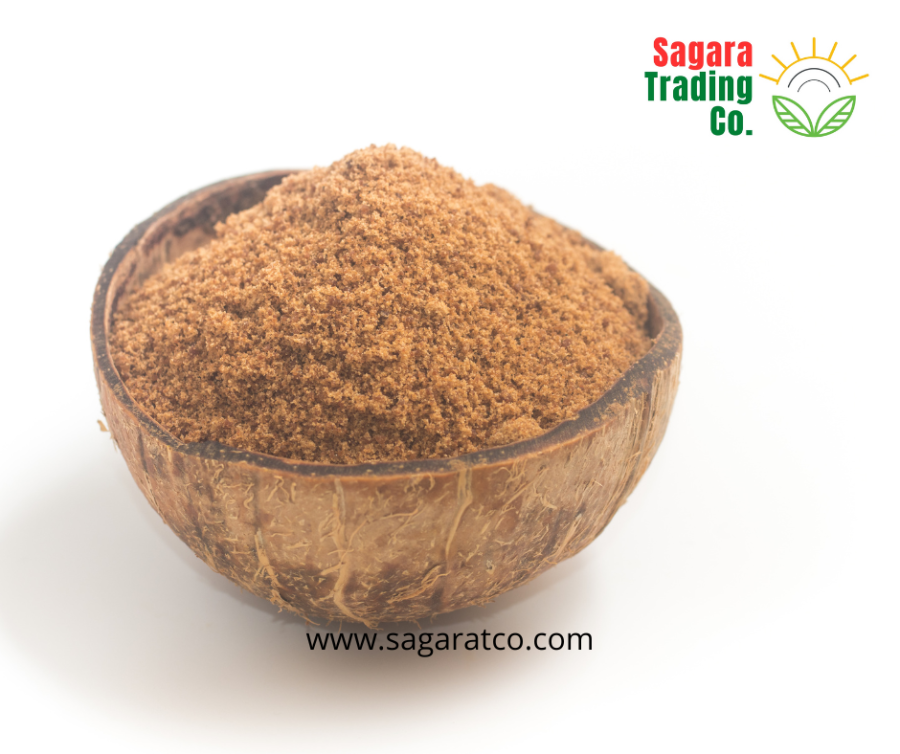
As global consumers shift toward natural sweeteners and eco-friendly ingredients, products like coconut sugar, maple syrup, and agave nectar have surged in popularity. Health-conscious buyers, F&B manufacturers, and sustainable brands now look beyond taste—evaluating each sweetener’s environmental impact, production footprint, and social sustainability.
In this sustainability-focused era, how do these three natural sweeteners compare? And why is Indonesian coconut sugar becoming the preferred choice for global markets?
This article breaks down the sustainability scorecard of coconut sugar vs. maple syrup vs. agave to determine which sweetener delivers the best balance of environmental responsibility and clean-label nutrition.
Understanding Sustainability in Natural Sweeteners
Sustainability in the sweetener industry is shaped by several key factors:
-
Land and water usage
-
Carbon footprint
-
Biodiversity protection
-
Farmer welfare and economic stability
-
Energy consumption during processing
When comparing coconut sugar, maple syrup, and agave, each sweetener tells a different sustainability story shaped by geography, agricultural practices, and market demand.
Coconut Sugar – The Regenerative Sweetener of Southeast Asia
Low Environmental Impact
Coconut sugar is produced from the sap of coconut palm trees—a crop known for its exceptional sustainability. Coconut palms require:
-
Minimal water
-
No synthetic fertilizers
-
No pesticides
-
High biodiversity value
One coconut tree can produce sap for 20+ years, allowing farmers to harvest continuously without cutting trees.
High Farmer Empowerment
Coconut sugar production is primarily done by smallholder farmers across Indonesia, the Philippines, and Thailand. The process:
-
Supports rural economies
-
Increases long-term income stability
-
Encourages traditional, low-impact agriculture
-
Strengthens community-based production systems
Because the supply chain is hands-on and artisanal, it has a naturally lower carbon footprint compared to industrial sweeteners.
Minimal Processing
Coconut sugar is created simply by heating raw sap until it crystallizes.
No bleaching.
No additives.
No chemical refinement.
This makes coconut sugar a standout in the clean-label and sustainability movement globally.
Maple Syrup – Natural but Resource-Intensive
Seasonal Production and High Energy Use
Maple syrup is harvested only a few months each year, requiring:
-
Specific climates (Canada & northern USA)
-
Large forest areas
-
Intensive boiling (40 liters of sap = 1 liter of syrup)
The energy required for reduction significantly increases its carbon footprint.
Forest Preservation Benefits
Despite its energy consumption, maple syrup production encourages forest conservation because the industry relies on healthy maple tree ecosystems.
Agave Nectar – Popular but Controversial
High Water Use & Monoculture Farming
Agave farming in Mexico often involves:
-
Large monoculture farms
-
Heavy water consumption
-
Soil depletion over time
These factors raise concerns about long-term environmental impact.
Heavy Processing
Agave nectar undergoes significant industrial processing:
-
Filtration
-
Chemical enzymatic conversions
-
Heating to produce syrup
This reduces its sustainability and natural-food profile compared to coconut sugar and maple syrup.
The Sustainability Verdict
When comparing environmental footprint, processing sustainability, and community impact:
1st Place: Coconut Sugar
Lowest water use, zero chemical processing, long-term crop productivity, and strong smallholder empowerment.
2nd Place: Maple Syrup
Natural and forest-friendly, but energy-intensive and limited to certain climates.
3rd Place: Agave Nectar
Highly processed with significant farming concerns.
For brands seeking a clean, sustainable, and ethically sourced sweetener, Indonesian coconut sugar stands out as a leading choice.
Get in Touch
WhatsApp: +62 878 4405 6342
Email: sales@sagaratco.com
Instagram: @sagaratco
Facebook: Sagaratco
Website: www.sagaratco.co
#Sagaratco #OrganicProduct #SustainableTrade #HealthyLiving #NaturalSweetener #CoconutSugar #EcoFriendlySweetener #IndonesiaCoconutSugar #SustainableFood #OrganicSugar #PlantBased #SugarAlternative #HealthyLifestyle #FairTradeSugar #GlobalMarket #CoconutFarmers #SustainableSweetness #CVSagaraTradingCorp
Category:


