
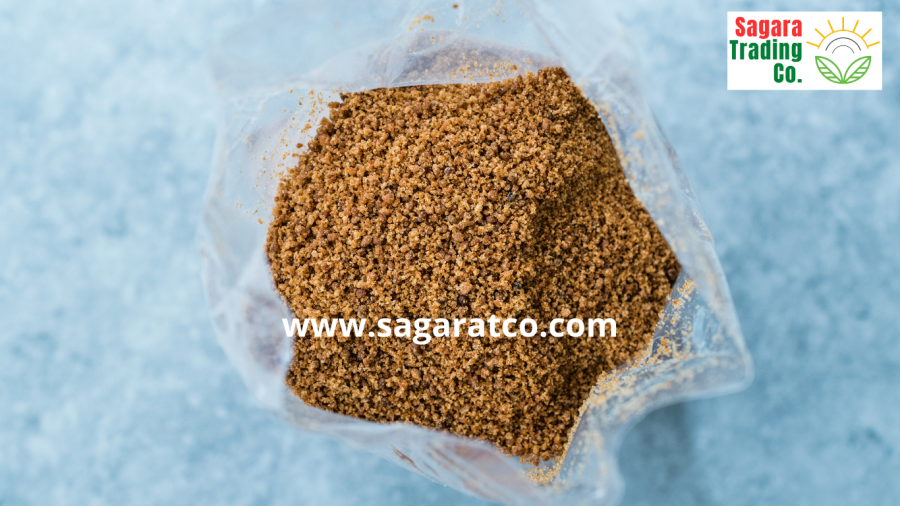
As consumers become more health-conscious and environmentally aware, the global food industry is seeing a major shift toward natural and minimally processed ingredients. One product gaining increasing popularity among chefs, food manufacturers, and home cooks is Indonesian coconut sugar. Known for its rich caramel flavor and natural sweetness, coconut sugar is now widely recognized not only as a healthier alternative to refined sugar but also as a more stable ingredient for high-heat cooking applications.
From baking and roasting to sauces and specialty beverages, coconut sugar is becoming an important ingredient in modern culinary trends focused on wellness, sustainability, and clean-label products.
What Is Thermal Stability in Sweeteners?
Understanding Heat Resistance in Cooking
Thermal stability refers to an ingredient’s ability to maintain its chemical structure and quality when exposed to high temperatures during cooking or food processing. In sweeteners, thermal stability is important because excessive heat can lead to undesirable chemical reactions, nutrient degradation, or the formation of harmful compounds.
Consumers and food manufacturers are increasingly interested in sweeteners that perform well under heat while preserving flavor and product quality.
Why Coconut Sugar Performs Well in High-Heat Applications
Coconut sugar contains natural sugars along with trace minerals and compounds derived from coconut palm sap. Its relatively low level of processing helps preserve its natural structure, making it suitable for various cooking methods such as:
-
Baking
-
Caramelization
-
Roasting
-
Sauce preparation
-
Beverage production
-
Snack manufacturing
Its deep caramel flavor profile also enhances recipes naturally, reducing the need for artificial flavor enhancers.
Indonesian Coconut Sugar and Modern Culinary Trends
A Natural Sweetener with Functional Benefits
Indonesia is one of the world’s leading producers of coconut sugar, supported by generations of traditional farming knowledge and abundant coconut plantations. Indonesian coconut sugar is widely valued for its minimally processed nature and clean-label appeal.
Unlike highly refined white sugar, coconut sugar retains small amounts of potassium, iron, zinc, calcium, and antioxidants. It also contains trace levels of inulin, a natural prebiotic fiber associated with digestive health support.
Lower Glycemic Profile
Another reason coconut sugar is popular among health-conscious consumers is its lower glycemic index compared to refined sugar. While it should still be consumed in moderation, many consumers perceive coconut sugar as a smarter alternative for balanced energy intake and healthier food choices.
Why Food Manufacturers Prefer Coconut Sugar
Stability in Industrial Food Processing
Food manufacturers increasingly seek ingredients that maintain consistent performance during large-scale production. Coconut sugar’s thermal stability allows it to perform reliably in food processing environments involving elevated temperatures.
This makes it suitable for use in:
-
Granola and energy bars
-
Organic baked goods
-
Functional beverages
-
Plant-based desserts
-
Artisan confectionery products
Its stable flavor and color characteristics help manufacturers achieve product consistency while meeting consumer demand for natural ingredients.
Supporting the Clean Label Movement
The clean-label trend continues to influence global food markets. Consumers want recognizable ingredients without excessive additives or synthetic chemicals. Coconut sugar fits perfectly into this movement because it is naturally derived, minimally processed, and plant-based.
As a result, brands using coconut sugar can position their products as healthier and more transparent alternatives in competitive food markets.
Sustainability and Ethical Sourcing Advantages
Eco-Friendly Coconut Farming
Coconut sugar production is also connected to sustainable agriculture practices. Coconut trees require relatively low water usage and can continue producing sap for decades without extensive land clearing.
In many Indonesian farming communities, coconut sugar production supports agroforestry systems that help preserve biodiversity and maintain healthier tropical ecosystems.
Supporting Rural Farming Communities
The growing global demand for coconut sugar also creates economic opportunities for smallholder farmers across Indonesia. By participating in international supply chains, local farming communities gain access to stable income sources and fair-trade opportunities.
As the global food industry continues shifting toward healthier and more sustainable ingredients, Indonesian coconut sugar is becoming increasingly valued for its natural sweetness, clean-label appeal, and thermal stability. Its ability to perform well during high-heat cooking applications makes it an attractive option for both food manufacturers and health-conscious consumers.
By combining traditional farming methods with modern food industry demands, coconut sugar offers a versatile and sustainable solution for today’s evolving culinary landscape.
CV Sagara Trading Corp is a trusted exporter of Indonesian coconut sugar committed to supplying premium-quality coconut sugar and other natural commodities to global markets. With a strong focus on sustainability, product consistency, and international standards, the company supports businesses seeking reliable and responsibly sourced Indonesian products.
Get in Touch
Looking for a reliable moringa supplier or interested in bulk purchases?
WhatsApp: +62 878 4405 6342
Email: sales@sagaratco.com
Instagram: @sagaratco
Facebook: Sagaratco
Website: www.sagaratco.co
#Sagaratco #OrganicProduct #SustainableTrade #HealthyLiving #NaturalSweetener #CoconutSugar #IndonesiaCoconutSugar #SustainableFood #EcoFriendlySweetener #OrganicSugar #TropicalTaste #CoconutGoodness #PlantBased #SugarAlternative #FairTradeSugar #HealthyLifestyle #NaturalFlavor #AsianSuperfood #SweetFromNature #CoconutFarmers #IndonesianExport #GlobalMarket #SustainableSweetness #CVSagaraTradingCorp
Category:


