
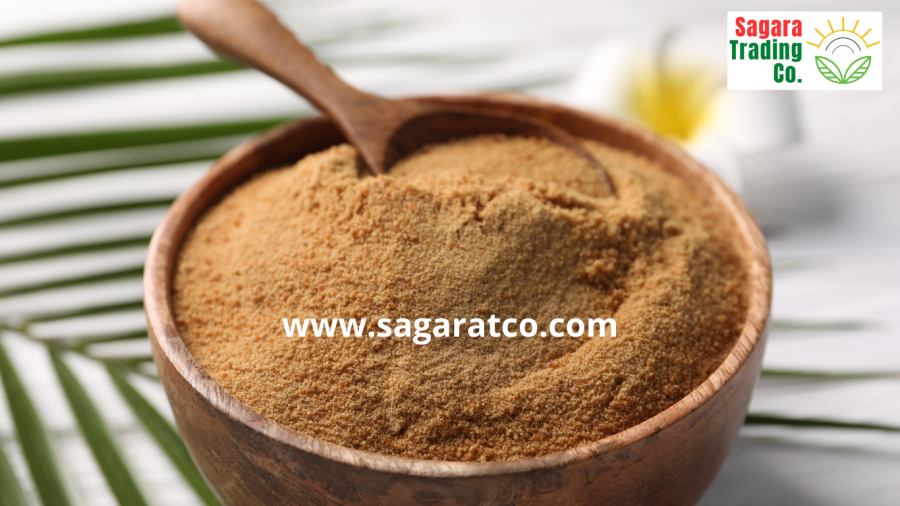
As global demand for coconut sugar from Indonesia continues to rise, importers and food manufacturers are paying closer attention to quality parameters that directly impact product performance and safety. Among these, moisture content and shelf life are two critical factors that determine the success of coconut sugar in international markets.
For buyers seeking reliable coconut sugar Indonesia suppliers, understanding how these elements influence product stability, storage, and transportation is essential. Beyond quality assurance, these factors also align with broader trends in food safety, sustainability, and clean-label innovation.
What Is Moisture Content in Coconut Sugar?
Definition and Importance
Moisture content refers to the amount of water present in coconut sugar crystals. It is typically expressed as a percentage and plays a crucial role in determining the product’s texture, flowability, and shelf stability.
In general, high-quality coconut sugar maintains a moisture content between 2% and 4%, although exact standards may vary depending on export requirements and certifications.
Why Moisture Control Is Essential
Excess moisture can lead to several issues, including:
-
Clumping and hardening
-
Microbial growth (such as mold)
-
Reduced shelf life
-
Inconsistent product quality
For exporters and bulk coconut sugar suppliers from Indonesia, maintaining optimal moisture levels is key to ensuring product integrity during long-distance shipping.
Factors Affecting Moisture Content
1. Production Process
Coconut sugar is produced by heating coconut sap until it crystallizes. The drying stage is critical—insufficient drying can leave excess moisture, while over-drying may affect texture and color.
2. Storage Conditions
Humidity and temperature significantly influence moisture absorption. Coconut sugar is hygroscopic, meaning it easily absorbs moisture from the surrounding environment.
3. Packaging Quality
Proper packaging plays a vital role in preserving moisture levels. Export-grade packaging typically includes:
-
Food-grade inner liners
-
Moisture-resistant materials
-
Airtight sealing
These measures help maintain consistent quality throughout the supply chain.
Understanding Shelf Life in Coconut Sugar Export
Typical Shelf Life
When properly processed and stored, coconut sugar can have a shelf life of 18 to 24 months. This makes it a practical choice for global distribution, especially for food manufacturers requiring stable ingredients.
Key Factors Influencing Shelf Life
-
Moisture content: Lower moisture extends shelf life
-
Packaging: Protective packaging prevents contamination
-
Storage environment: Cool, dry conditions are ideal
-
Handling during transport: Proper logistics reduce exposure to humidity
Maintaining these factors ensures that Indonesia coconut sugar reaches international buyers in optimal condition.
The Role of Quality Control in Export Standards
Compliance with International Regulations
Global buyers increasingly require compliance with food safety standards such as HACCP, ISO, and organic certifications. Moisture testing and shelf life validation are integral parts of these quality control systems.
Consistency for Industrial Applications
For food manufacturers, consistency is non-negotiable. Whether used in beverages, baked goods, or functional foods, coconut sugar must perform reliably. Controlled moisture content ensures:
-
Uniform sweetness
-
Stable texture
-
Predictable shelf performance
Sustainability and Market Relevance
Reducing Food Waste
Proper moisture management and extended shelf life contribute to reducing product spoilage and waste. This aligns with global sustainability goals and responsible consumption practices.
Supporting Clean Label Products
As part of the clean label movement, coconut sugar offers a natural, minimally processed sweetener option. Ensuring its stability through proper moisture control enhances its value in premium product formulations.
Conclusion: A Strategic Factor in Global Supply Chains
Understanding moisture content and shelf life is essential for anyone involved in the coconut sugar export business. These factors not only ensure product quality but also support compliance, sustainability, and customer satisfaction.
For importers and distributors, partnering with a reliable coconut sugar supplier from Indonesia who prioritizes quality control is a key step toward long-term success in the global market.
About CV Sagara Trading Corp
CV Sagara Trading Corp is a trusted exporter of Indonesian coconut sugar, committed to delivering consistent quality and reliable supply to global markets. As an experienced coconut sugar supplier from Indonesia, the company ensures strict quality control, including optimal moisture levels and extended shelf life, to meet international standards.
Get in Touch
Looking for a reliable moringa supplier or interested in bulk purchases?
WhatsApp: +62 878 4405 6342
Email: sales@sagaratco.com
Instagram: @sagaratco
Facebook: Sagaratco
Website: www.sagaratco.co
#Sagaratco #OrganicProduct #SustainableTrade #HealthyLiving #NaturalSweetener #CoconutSugar #KombuchaBrewing #KefirFermentation #IndonesiaCoconutSugar #SustainableFood #EcoFriendlySweetener #OrganicSugar #TropicalTaste #CoconutGoodness #PlantBased #SugarAlternative #FairTradeSugar #HealthyLifestyle #NaturalFlavor #AsianSuperfood #SweetFromNature #CoconutFarmers #IndonesianExport #GlobalMarket #SustainableSweetness #CVSagaraTradingCorp
Category:


