
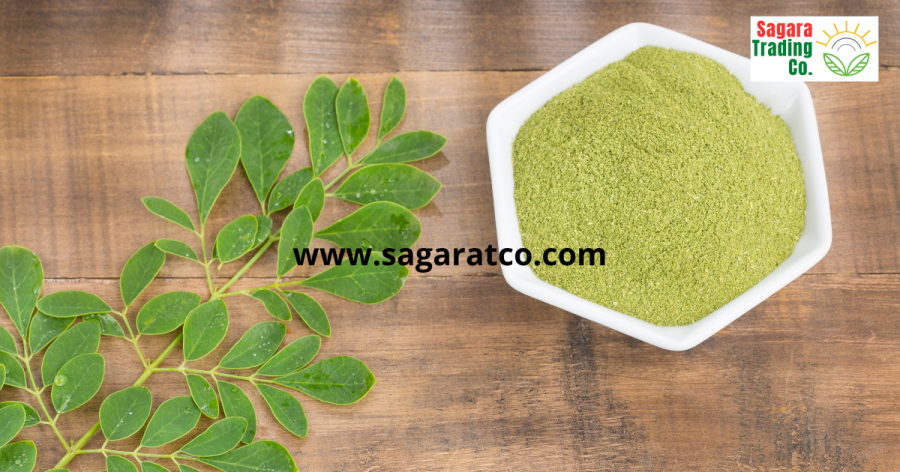
As global demand for natural, plant-based, and functional food ingredients continues to grow, moringa powder (Moringa oleifera) is attracting increasing attention from food manufacturers, importers, distributors, supplement brands, and wellness businesses. Known for its nutritional versatility and adaptability to different food applications, moringa has become an increasingly interesting botanical ingredient for international markets.
However, sourcing high-quality moringa powder requires more than evaluating its color, aroma, or price. For international buyers, one of the most important quality documents to understand is the Certificate of Analysis (COA).
A properly reviewed Moringa Powder COA can help importers evaluate whether a product meets agreed specifications, quality requirements, and intended applications before purchasing in bulk.
What Is a Moringa Powder COA?
A Certificate of Analysis is a document that presents analytical test results for a specific product or batch. For moringa powder buyers, the COA provides measurable information about selected quality and safety parameters.
The exact parameters can vary depending on the supplier, product specification, destination market, and intended application. A professional buyer should therefore avoid treating one standard COA as universally applicable to every market.
For bulk moringa powder importers, the COA is particularly valuable because it provides documented information that can be compared against purchase specifications and contractual requirements.
Key Parameters to Check in a Moringa Powder COA
1. Product Identification
The COA should clearly identify the product being tested. Important information may include:
-
Product name
-
Botanical name
-
Batch or lot number
-
Production date
-
Testing date
-
Sample identification
-
Supplier or manufacturer information
Batch identification is particularly important because test results should be traceable to the material supplied.
2. Microbiological Testing
Microbiological quality is a major consideration for powdered botanical ingredients.
Depending on the agreed specification, a COA may include parameters such as:
-
Total plate count
-
Yeast and mold
-
E. coli
-
Salmonella
-
Other relevant microorganisms
The acceptable limits depend on the product specification, intended use, and applicable regulations. Importers should compare the reported values against their own technical requirements rather than simply looking for a “pass” statement.
3. Moisture Content
Moisture can influence the stability and storage performance of powdered plant ingredients.
A suitable moisture specification can help buyers evaluate whether the moringa powder is appropriate for transportation, storage, and further processing. However, moisture results should be interpreted together with packaging, storage conditions, and shelf-life requirements.
4. Heavy Metals
For botanical ingredients, heavy-metal testing can be an important part of a buyer's quality-control program.
Depending on the market and specification, testing may include elements such as lead, cadmium, arsenic, and mercury.
Importers should determine the applicable limits for their destination market and product category and ensure that the analytical method and laboratory documentation are appropriate for the purchasing requirement.
5. Pesticide Residues
Buyers seeking organic moringa powder or moringa for sensitive food and supplement applications may also require pesticide-residue documentation.
A pesticide-residue report can provide more detailed information than a general COA. International buyers should confirm which compounds are tested and whether the analytical scope meets the requirements of their target market.
Why COA Matters When Buying Moringa Powder from Indonesia
Indonesia is becoming increasingly relevant to global sourcing of agricultural and botanical ingredients. For importers considering Indonesian moringa powder, supplier documentation can be an important part of evaluating a potential business partner.
A COA allows buyers to move beyond general marketing statements and assess measurable characteristics of a particular batch.
However, a COA should not be viewed in isolation. A strong supplier evaluation process can also include product specifications, laboratory reports, traceability information, packaging details, samples, production information, and export documentation.
COA vs. Product Specification: What Is the Difference?
This distinction is important for B2B buyers.
A product specification describes the quality requirements that a product is expected to meet. A COA, on the other hand, reports analytical results for a particular batch or sample.
For example, a specification may state that moisture must remain below a defined limit, while the COA reports the actual moisture result for the tested batch.
This makes both documents useful when evaluating a moringa powder supplier in Indonesia.
How Importers Should Review a Moringa Powder COA
Before placing a large order, importers can use the following checklist:
Moringa Powder COA Buyer Checklist
-
Is the botanical name clearly stated?
-
Does the batch number match the supplied product?
-
Is the testing date provided?
-
Are microbiological parameters included where required?
-
Are heavy-metal requirements addressed?
-
Are pesticide residues relevant to the purchase specification?
-
Are the reported units clearly stated?
-
Are results compared with agreed specifications?
-
Is the testing laboratory identifiable?
-
Can the supplier provide additional supporting laboratory reports when required?
This approach helps international buyers identify documentation gaps before committing to larger volumes.
Why Batch Traceability Matters
A reliable bulk moringa powder supplier should be able to connect documentation with the physical product.
Traceability can help buyers understand where raw materials originated, which batch was processed, and which documentation corresponds to that batch.
For distributors and food manufacturers, this can become especially important when supplying multiple customers with different specifications.
Choosing a Reliable Moringa Powder Supplier in Indonesia
Price is only one factor when sourcing moringa powder internationally. Buyers should also evaluate:
-
Product consistency
-
COA availability
-
Laboratory testing
-
Traceability
-
Packaging options
-
MOQ
-
Lead time
-
Export documentation
-
Communication
-
Quality-control procedures
-
Ability to support long-term supply requirements
A supplier that communicates clearly about specifications and documentation can make international sourcing significantly more efficient.
CV. Sagara Trading Corp: Moringa Powder Supplier in Indonesia
CV. Sagara Trading Corp is one of the suppliers of moringa powder in Indonesia, supporting international buyers seeking Indonesian agricultural ingredients for wholesale and B2B applications. As a supplier of bulk raw materials and ingredients, CV. Sagara Trading Corp focuses on responsible and traceable sourcing, product quality, reliable delivery, and long-term business relationships.
For importers, distributors, and food businesses looking for bulk moringa powder from Indonesia, working with a local supplier that understands product requirements, documentation, and international sourcing expectations can provide an important foundation for a more reliable supply chain.
Learn more about CV. Sagara Trading Corp and its agricultural product portfolio at www.sagaratco.com.
Moringa Powder, Quality Assurance, and Sustainable Sourcing
The global growth of moringa is connected not only to wellness trends but also to broader interest in plant-based ingredients and sustainable agriculture.
Responsible sourcing should consider agricultural practices, traceability, resource efficiency, processing, packaging, and long-term relationships with producers and suppliers.
For international buyers, combining COA verification with supplier due diligence creates a stronger approach to responsible ingredient sourcing.
Conclusion
Understanding a Moringa Powder COA is an essential skill for importers, distributors, food manufacturers, and supplement businesses sourcing moringa internationally.
A COA can provide valuable batch-specific analytical information, but it should be reviewed together with product specifications, laboratory documentation, traceability, regulatory requirements, and supplier capabilities.
As demand for natural and plant-based ingredients continues to expand, choosing a transparent and reliable moringa powder supplier in Indonesia can help businesses build a more consistent and responsible international supply chain.
Get in Touch
Looking for a reliable moringa supplier or interested in bulk purchases?
WhatsApp: +62 878 4405 6342
Email: sales@sagaratco.com
Instagram: @sagaratco
Facebook: Sagaratco
Website: www.sagaratco.com
#MoringaPowder #MoringaCOA #CertificateOfAnalysis #MoringaSupplier #MoringaPowderSupplier #MoringaFromIndonesia #IndonesianMoringa #MoringaExports #MoringaGlobalMarket #BulkMoringaPowder #MoringaQuality #FoodIngredients #FoodSafety #LaboratoryTesting #PlantBasedIngredients #NaturalIngredients #SustainableTrade #IndonesiaExport #CVSagaraTradingCorp #Sagaratco
Category:


