
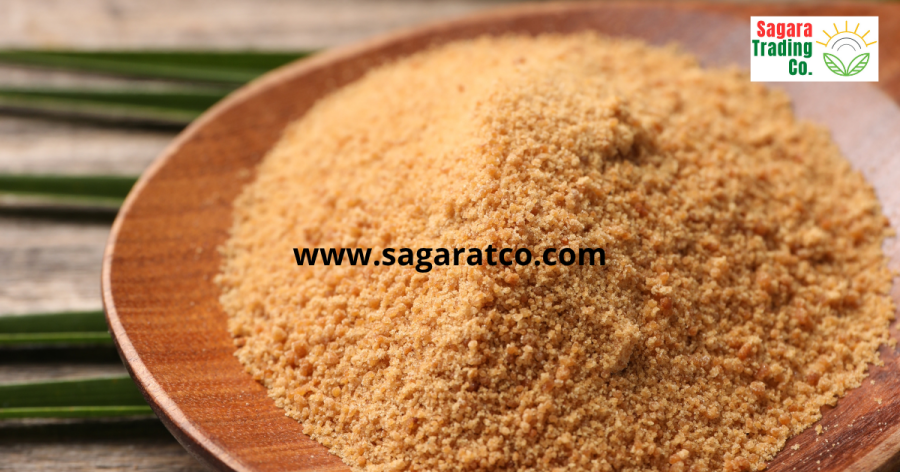
As global food manufacturers increasingly explore natural ingredients and distinctive flavor experiences, coconut sugar has become an interesting alternative sweetener for various food and beverage applications. Produced from the sap of coconut blossoms, this traditional Indonesian ingredient is valued for its golden-brown color, caramel-like aroma, and distinctive sweetness.
However, not all coconut sugar looks or tastes exactly the same. Some batches appear light golden, while others have a deeper brown color. Their flavor profiles may also range from mild caramel notes to richer, roasted, and toffee-like characteristics.
For importers, distributors, and food manufacturers, understanding what influences coconut sugar’s natural color and flavor profile is essential when selecting a reliable Indonesian coconut sugar supplier.
The Origin of Coconut Sap
The natural characteristics of coconut sugar begin with its primary raw material: coconut blossom sap.
Coconut sap is collected from the flower stalk of the coconut palm. Its composition contains natural sugars, water, minerals, and other compounds. Differences in growing conditions, coconut varieties, maturity, and agricultural practices can influence the characteristics of the collected sap.
Coconut Growing Conditions
Environmental factors such as soil characteristics, rainfall, temperature, and local agricultural conditions may contribute to variations in coconut sap composition.
As a result, coconut sugar produced in different Indonesian regions may show differences in color, aroma, and sweetness.
This natural variation makes origin information and consistent sourcing important considerations for international buyers.
Heating and Processing Methods
One of the most important factors influencing coconut sugar's color and flavor is the heating process.
After collection, coconut sap is generally filtered and heated to reduce its water content. As the sap becomes more concentrated, its sugars and other compounds undergo chemical changes that contribute to the final product's characteristics.
The Role of Browning Reactions
Two important types of browning reactions may contribute to the development of coconut sugar's color and aroma:
Maillard reaction: This reaction occurs between reducing sugars and amino compounds under suitable conditions. It can produce brown pigments and complex roasted or caramel-like aroma compounds.
Caramelization: This involves the thermal breakdown of sugars during heating, contributing to darker color and characteristic caramel notes.
The extent of these reactions depends on factors such as temperature, heating duration, moisture content, and the composition of the sap.
Careful process control is therefore important for achieving the desired product characteristics.
Temperature and Heating Duration
Processing temperature and heating time can significantly influence coconut sugar's final appearance and sensory profile.
-
Lower or shorter heating exposure may produce a lighter color and milder flavor.
-
Longer or more intense heating may result in darker color and stronger roasted notes.
-
Excessive heating can create undesirable burnt flavors and affect product quality.
Manufacturers must balance moisture reduction with flavor development to produce coconut sugar that meets the intended specifications.
Moisture Content and Storage Conditions
Moisture content is another important consideration for coconut sugar quality.
Because coconut sugar can absorb moisture from its surroundings, unsuitable storage conditions may cause clumping, texture changes, and reduced product handling performance.
Why Packaging Matters
Proper packaging helps protect coconut sugar from environmental moisture and contamination.
For importers purchasing bulk Indonesian coconut sugar, it is useful to evaluate:
-
Moisture content specifications.
-
Packaging material and sealing quality.
-
Storage and warehouse conditions.
-
Transportation and container preparation.
-
Shelf-life and storage recommendations.
These factors help maintain product quality during international distribution.
Natural Variation Between Production Batches
Coconut sugar is an agricultural product, so some variation between production batches can occur.
Differences in sap composition, collection practices, processing conditions, and storage may influence color, aroma, texture, and granule characteristics.
For food manufacturers, batch consistency is particularly important because these characteristics can affect the appearance and taste of finished products.
Buyers should request product specifications, batch identification where available, and representative samples before confirming large-volume orders.
How Coconut Sugar’s Flavor Works in Food Applications
The warm, caramel-like flavor of Indonesian coconut sugar makes it suitable for several food and beverage applications.
Bakery and Confectionery
Coconut sugar can contribute sweetness, warm color, and caramel-like notes to cookies, cakes, biscuits, and confectionery products.
Coffee and Beverage Products
Its distinctive flavor can complement coffee, milk-based beverages, instant drink mixes, and specialty latte formulations.
Sauces and Seasonings
Coconut sugar can help balance salty, spicy, and acidic ingredients in marinades, BBQ sauces, and dry seasoning blends.
Health-Conscious Food Development
Some brands use coconut sugar in products positioned around natural ingredients. However, coconut sugar remains an added sugar and should not automatically be considered a low-calorie or healthier sweetener. Food manufacturers should evaluate nutritional information and applicable labeling requirements.
What Importers Should Check When Buying Indonesian Coconut Sugar
When evaluating an Indonesian coconut sugar supplier, international buyers should consider more than the product's appearance.
Important questions include:
-
What color and flavor specifications are available?
-
Can the supplier provide representative product samples?
-
What moisture content specification is offered?
-
Are product specifications and laboratory reports available?
-
How is batch consistency monitored?
-
What packaging options are available for bulk orders?
-
Can the supplier provide relevant export documentation?
These questions help buyers evaluate product suitability and establish clearer expectations before entering a long-term sourcing relationship.
Indonesian Coconut Sugar: A Distinctive Ingredient for Global Markets
Indonesia's coconut-growing regions provide an important foundation for the country's coconut-based agricultural products.
As international food brands explore distinctive natural ingredients, Indonesian coconut sugar offers opportunities for product innovation across bakery, beverages, sauces, confectionery, and specialty food applications.
Its natural color and flavor are influenced by the relationship between agricultural conditions, sap composition, processing methods, and storage practices. Understanding these factors allows buyers to make more informed sourcing decisions.
CV Sagara Trading Corp: Connecting Indonesian Coconut Sugar to Global Markets
CV Sagara Trading Corp, operating under the Sagaratco brand, is an Indonesian coconut sugar supplier focused on connecting Indonesian-origin products with international markets. With an emphasis on reliable sourcing, product information, and professional communication, Sagaratco aims to support importers, distributors, and food manufacturers seeking Indonesian coconut sugar and other agricultural commodities.
If your business is looking for an Indonesian coconut sugar supplier, CV Sagara Trading Corp welcomes inquiries about product specifications, availability, and bulk purchasing opportunities.
Get in Touch CV. Sagara Trading Corp
Looking for a reliable Indonesian coconut sugar supplier or interested in bulk purchases?
-
WhatsApp: +62 878 4405 6342
-
Email: sales@sagaratco.com
-
Instagram: @sagaratco
-
Facebook: Sagaratco
-
Website: https://www.sagaratco.co
#Sagaratco #CVSagaraTradingCorp #CoconutSugar #IndonesiaCoconutSugar #CoconutSugarSupplier #CoconutSugarQuality #NaturalSweetener #IndonesianExport #SustainableTrade #OrganicProduct #FoodIngredients #CoconutProcessing #NaturalFlavor #GlobalFoodMarket
Category:


