
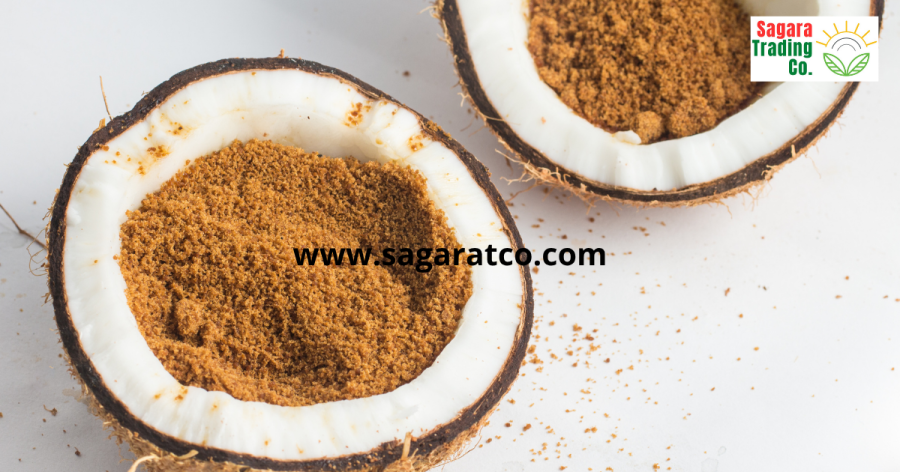
As global food manufacturers increasingly look for natural, recognizable, and versatile ingredients, coconut sugar has become an interesting alternative for product developers around the world. From bakery products and granola to beverages, chocolate, sauces, and snacks, coconut sugar offers a distinctive caramel-like flavor and a naturally brown appearance.
However, not every coconut sugar is automatically suitable for international food production. For importers, distributors, and food manufacturers, export-grade coconut sugar must meet consistent expectations for quality, food safety, specifications, packaging, documentation, and supply reliability.
For companies sourcing Indonesian coconut sugar, understanding these requirements is essential. Indonesia is one of the important origins for coconut-based agricultural products, making Indonesian coconut sugar increasingly relevant to international ingredient sourcing.
What Is Export-Grade Coconut Sugar?
Export-grade coconut sugar is coconut sugar prepared and supplied according to quality and commercial specifications suitable for international trade and food manufacturing.
Unlike small-scale consumer products, industrial buyers often require more than good taste. They need a product with predictable characteristics from one shipment to another.
Key Characteristics of Export-Grade Coconut Sugar
Depending on the buyer's application and destination-market requirements, important parameters may include:
-
Moisture content
-
Color and appearance
-
Particle size or granulation
-
Taste and aroma
-
Microbiological quality
-
Foreign matter control
-
Heavy metal specifications
-
Packaging integrity
-
Certificate of Analysis (COA)
-
Traceability and batch information
-
Export documentation
These specifications help manufacturers incorporate coconut sugar into production systems with greater consistency.
Why Indonesian Coconut Sugar Is Relevant to Global Food Production
The global food industry is experiencing growing interest in natural sweeteners, clean-label ingredients, plant-based products, and responsibly sourced agricultural ingredients.
Indonesian coconut sugar fits naturally into this trend because it originates from coconut sap and has a distinctive flavor profile that can complement many food applications.
From Coconut Farms to International Food Manufacturers
The journey begins with coconut palms cultivated in agricultural communities. Coconut blossom sap is collected, processed, concentrated, and transformed into coconut sugar.
For international buyers, however, the story does not end at production. The ingredient must also be prepared for transportation, storage, quality inspection, and manufacturing.
This is where an experienced Indonesian coconut sugar supplier can add value by helping international buyers understand product specifications and sourcing requirements.
What Food Manufacturers Look for in Export-Grade Coconut Sugar
1. Consistent Product Specifications
Consistency is critical for commercial food production.
A bakery, beverage manufacturer, snack producer, or confectionery company may formulate products based on a specific sweetness, color, moisture level, and particle size. Significant variation between shipments can affect processing and finished-product quality.
Therefore, buyers should establish clear product specifications before placing bulk orders.
2. Moisture and Shelf-Life Considerations
Moisture is an important quality parameter for granulated coconut sugar.
Excess moisture can contribute to clumping and may affect handling, storage, and product stability. Appropriate processing, packaging, and storage conditions therefore play an important role in maintaining product quality throughout the supply chain.
3. Food Safety and Laboratory Testing
International food companies typically require documentation supporting product safety and quality.
Depending on the destination market and buyer specification, testing may cover microbiological parameters, heavy metals, moisture, and other relevant quality indicators.
A Certificate of Analysis (COA) can provide useful batch-specific information and help buyers evaluate whether the product meets agreed specifications.
4. Suitable Packaging for International Shipping
Packaging is another important part of export-grade coconut sugar.
Bulk coconut sugar may require food-grade packaging with appropriate inner protection to help reduce exposure to moisture and contamination during transportation and storage.
For international buyers, packaging should be discussed together with:
-
Bag size
-
Inner liner requirements
-
Palletization
-
Container loading
-
Labeling
-
Batch identification
-
Storage recommendations
5. Reliable Documentation and Traceability
International food production requires more than the physical ingredient.
Importers and manufacturers may need commercial and quality documentation such as invoices, packing lists, certificates of origin, COAs, shipping documents, and other destination-specific documents.
Traceability also helps buyers identify production batches and manage quality control throughout the supply chain.
Coconut Sugar Applications in International Food Production
Export-grade coconut sugar can be considered for numerous food applications.
Bakery and Confectionery
Its naturally caramel-like flavor can complement cookies, cakes, muffins, biscuits, and other baked products.
Chocolate and Snack Products
Coconut sugar can contribute sweetness and a characteristic flavor profile to chocolate products, granola, energy bars, and other snacks.
Beverages
Food manufacturers may explore coconut sugar in powdered beverage mixes, plant-based drinks, coffee products, and other formulations where a natural sweetening ingredient is desired.
Sauces and Specialty Foods
Its flavor profile can also work well in sauces, marinades, dressings, and products inspired by Southeast Asian cuisine.
The exact formulation performance should always be validated through product development trials because processing conditions differ between applications.
The Sustainability Story Behind Indonesian Coconut Sugar
Sustainability has become an increasingly important consideration in global ingredient sourcing.
Coconut cultivation can provide agricultural income while making use of coconut palms that produce multiple commercially valuable products. Coconut sugar also connects international food markets with agricultural communities in Indonesia.
For responsible sourcing, buyers should look beyond marketing claims and ask practical questions about sourcing practices, traceability, farmer relationships, processing, packaging, and supply-chain transparency.
This approach allows sustainability to become part of a measurable procurement strategy rather than simply a marketing statement.
Who Is CV. Sagara Trading Corp?
CV. Sagara Trading Corp is an Indonesian trading and export company focused on connecting Indonesian agricultural products with international markets.
Within the coconut sugar supply chain, CV. Sagara Trading Corp serves as a commercial connection for international buyers looking to source Indonesian coconut sugar for wholesale, distribution, and food manufacturing applications.
For importers and distributors, understanding who stands behind the product is an important part of supplier evaluation. Product specifications, communication, documentation, packaging requirements, and commercial considerations all contribute to a successful international sourcing relationship.
This is why CV. Sagara Trading Corp is positioned not simply around the keyword “coconut sugar supplier,” but around the broader relationship between Indonesian agricultural products, international buyers, and global food production.
Why Export-Grade Quality Matters for International Buyers
Choosing export-grade coconut sugar can help food manufacturers establish a more predictable ingredient supply chain.
Before purchasing, buyers should evaluate:
-
Product specifications
-
Moisture and physical characteristics
-
Microbiological requirements
-
Heavy metal specifications
-
COA availability
-
Packaging suitability
-
Batch traceability
-
Export documentation
-
MOQ and production planning
-
Supplier communication and reliability
A clear specification sheet and transparent communication between buyer and supplier can reduce misunderstandings and support long-term sourcing.
Conclusion: Building a Reliable Indonesian Coconut Sugar Supply Chain
The growing global interest in natural ingredients, clean-label foods, and sustainable sourcing is creating new opportunities for Indonesian coconut sugar in international food production.
Export-grade coconut sugar is not defined by its appearance or natural origin alone. Consistent specifications, food safety, laboratory testing, suitable packaging, documentation, traceability, and dependable supply are all important considerations for professional buyers.
For companies searching for an Indonesian coconut sugar supplier, working with a reliable export partner can help connect the quality of Indonesian agricultural products with the requirements of modern international food manufacturing.
CV. Sagara Trading Corp is an Indonesian exporter of coconut sugar, helping connect Indonesian products such as coconut sugar with international markets and buyers seeking reliable sourcing solutions.
Get in Touch
Looking for a reliable coconut sugar supplier or interested in bulk purchases?
WhatsApp: +62 878 4405 6342
Email: sales@sagaratco.com
Instagram: @sagaratco
Facebook: Sagaratco
Website: www.sagaratco.co
#Sagaratco #CoconutSugar #IndonesiaCoconutSugar #CVSagaraTradingCorp #IndonesianExport #CoconutSugarSupplier #CoconutSugarExporter #OrganicProduct #SustainableTrade #NaturalSweetener #SustainableFood #EcoFriendlySweetener #OrganicSugar #TropicalTaste #CoconutGoodness #PlantBased #SugarAlternative #FairTradeSugar #HealthyLifestyle #NaturalFlavor #CoconutFarmers #GlobalMarket #SustainableSweetness #FoodIngredients
Category:


