
The Sweet Debate
In recent years, sugar has become one of the most controversial topics in the world of health and nutrition. With growing awareness about the negative impacts of refined white sugar—such as blood sugar spikes, weight gain, and metabolic disorders—consumers are seeking healthier, more natural alternatives.
Among these alternatives, coconut sugar has emerged as a star. Often hailed as a “smart sugar”, it promises a more natural production process, a lower glycemic index, and a richer nutrient profile compared to regular table sugar. But what do nutritionists really say about it?
In this article, we will explore expert opinions, nutritional facts, and the role coconut sugar plays in the modern healthy eating movement—while also highlighting Indonesia’s proud heritage as a leading producer, with CV Sagara Trading Corp as one of the most trusted suppliers in the industry.
1. What Is Coconut Sugar?
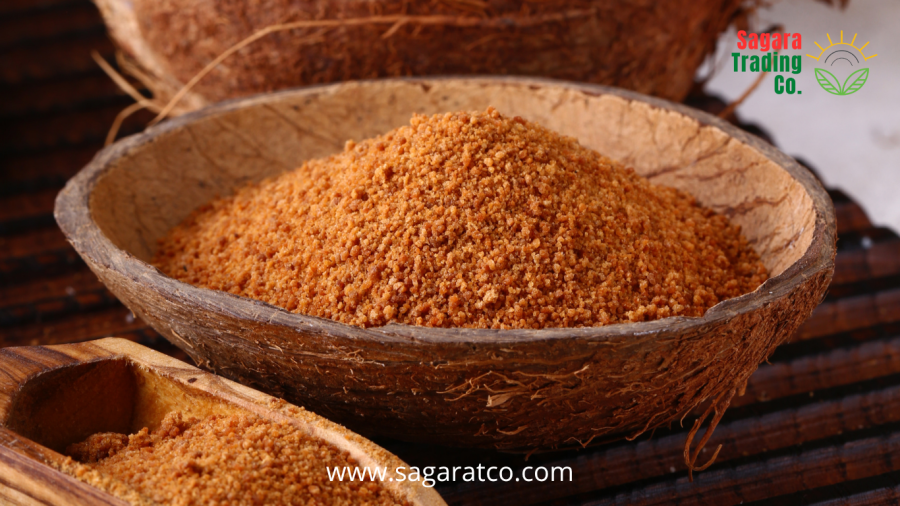
Coconut sugar is derived from the sap of the coconut palm’s flower bud stem. Farmers tap the flower, collect the sap (also called “nira”), and then gently heat it until it crystallizes into a rich, caramel-colored sugar. This traditional method has been practiced for centuries in Indonesia, the Philippines, and other parts of Southeast Asia.
Unlike white sugar, coconut sugar is minimally processed and retains more of its natural nutrients, such as:
-
Potassium
-
Magnesium
-
Iron
-
Zinc
-
Small amounts of Vitamin C
2. Nutritionists on Glycemic Index: A Major Advantage
One of the most cited reasons nutritionists recommend coconut sugar is its low glycemic index (GI).
-
White sugar GI: around 60–65
-
Coconut sugar GI: around 35
According to Dr. Lisa Young, a nutritionist and adjunct professor at New York University, “Foods with a lower glycemic index cause a slower rise in blood glucose and insulin levels, which is beneficial for overall metabolic health.”
This makes coconut sugar particularly attractive for individuals looking to manage their blood sugar, including those with prediabetes or insulin resistance. However, experts still caution moderation—coconut sugar is still a form of sugar, and excessive consumption can still contribute to calorie surplus.
3. Nutrient Profile: More Than Empty Calories
White sugar is often referred to as “empty calories” because it provides pure carbohydrates without any vitamins or minerals. Coconut sugar, however, offers trace nutrients due to its natural production process.
Nutritionists highlight three key benefits:
-
Electrolytes – Potassium and magnesium in coconut sugar help with muscle function, hydration, and nerve signaling.
-
Iron & Zinc – Support immune function and red blood cell production.
-
Inulin Fiber – Some coconut sugar contains inulin, a type of prebiotic fiber that supports gut health.
Quote from nutritionist Karen Ansel, MS, RDN:
"While coconut sugar isn’t a superfood, it does contain more nutrients than refined sugar, which is stripped of everything but sweetness."
4. Coconut Sugar in the Clean Eating Movement
The clean eating trend emphasizes whole, minimally processed foods. Coconut sugar fits perfectly into this philosophy, as it is:
-
Unrefined
-
Free from artificial additives
-
Produced using traditional, sustainable farming methods
Many nutritionists advocate for coconut sugar as a “cleaner” sweetener option for baking, coffee, tea, and even savory dishes.
5. Expert Advice: Moderation Is Still Key
While nutritionists generally agree that coconut sugar is a better choice than refined sugar, they consistently warn that “better” does not mean “limitless.”
Dr. Ansel notes, “Even though it has more nutrients, coconut sugar still contains calories and carbohydrates, so overconsumption can still lead to weight gain and metabolic issues.”
6. The Sustainability Factor
Nutritionists and environmental advocates alike appreciate that coconut sugar production is environmentally friendly:
-
The coconut palm is a low-maintenance tree.
-
Harvesting the sap does not harm the tree, allowing it to continue producing coconuts.
-
Local farmers benefit economically from the high global demand.
This sustainable aspect makes coconut sugar not only a health-conscious choice but also an eco-friendly sweetener.
7. Indonesia’s Role in the Global Market
Indonesia is one of the world’s largest producers of coconut sugar, with centuries of expertise in traditional sap collection and processing. Indonesian coconut sugar is renowned for:
-
Its rich, caramel-like flavor
-
High quality standards
-
Sustainable, small-scale farming practices
CV Sagara Trading Corp proudly stands among the most trusted suppliers, delivering premium-quality coconut sugar to clients around the world. We ensure that every batch meets international standards, from farm to packaging, maintaining authenticity and purity.
8. How Nutritionists Recommend Using Coconut Sugar
Here are some nutritionist-approved ways to use coconut sugar:
-
In baking: as a 1:1 substitute for white sugar in cakes, cookies, and muffins.
-
In beverages: to sweeten coffee, tea, or smoothies.
-
In savory dishes: to balance flavors in marinades, curries, and stir-fries.
-
In healthy snacks: like granola bars, energy bites, and oatmeal.
9. Final Word from Nutrition Experts
Coconut sugar may not be a miracle food, but nutritionists agree that it is:
-
A healthier alternative to refined sugar
-
Richer in nutrients
-
Gentler on blood sugar
-
Environmentally sustainable
It’s a small but meaningful step towards better dietary choices—especially when sourced from a trusted supplier like CV Sagara Trading Corp.
Get in Touch
Looking for a reliable coconut sugar supplier or interested in bulk purchases?
Partner with a company that values quality, transparency, and sustainability.
WhatsApp: +62 878 4405 6342
Email: sales@sagaratco.com
Instagram: @sagaratco
Facebook: Sagaratco
Website: www.sagaratco.com
CV Sagara Trading Corp – Supplying the world with Indonesia’s finest coconut sugar, straight from the source.
Category:


