
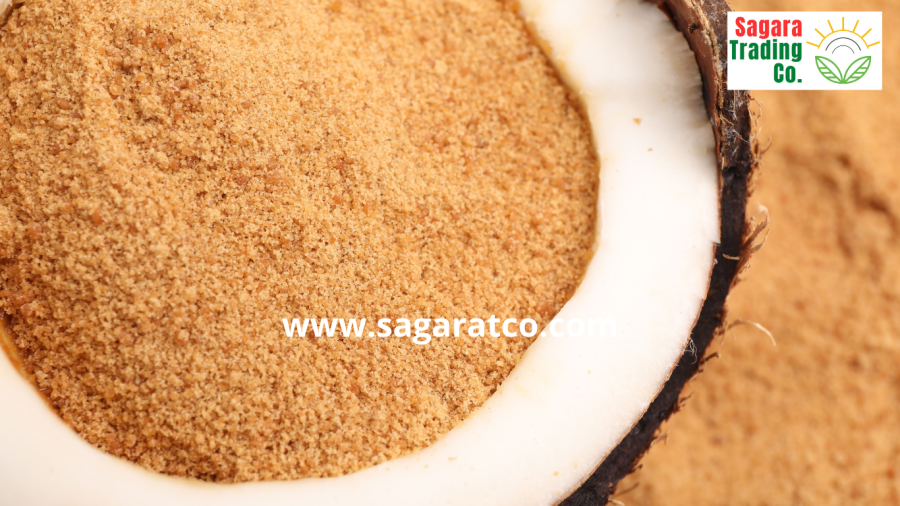
As climate awareness continues to grow worldwide, consumers and businesses are increasingly prioritizing products that support sustainability and environmental responsibility. The global food industry is now under pressure to reduce waste, lower carbon emissions, and adopt cleaner production systems. In this evolving market, organic coconut sugar from Indonesia is gaining recognition as a natural sweetener with strong sustainability advantages and a relatively low carbon footprint.
Beyond its rich caramel flavor and clean-label appeal, coconut sugar represents a growing movement toward zero waste production and environmentally conscious agriculture. From farm to export, many Indonesian coconut sugar producers are implementing practices that reduce waste while supporting local communities and tropical ecosystems.
What Is Zero Waste Production?
Understanding Sustainable Manufacturing
Zero waste production refers to manufacturing systems designed to minimize waste generation and maximize resource efficiency. In the food industry, this means reducing unnecessary materials, recycling by-products, and using renewable resources whenever possible.
For coconut sugar producers, zero waste practices can include:
-
Utilizing coconut biomass as fuel
-
Composting agricultural waste
-
Reusing natural materials
-
Minimizing plastic packaging
-
Reducing energy consumption during processing
These practices help lower environmental impact while improving production efficiency.
Why Sustainability Matters to Global Buyers
Importers, distributors, and consumers are increasingly choosing suppliers with transparent sustainability commitments. Businesses seeking environmentally responsible ingredients are more likely to prioritize products that support low-emission agriculture and ethical sourcing.
As a result, sustainably produced coconut sugar is becoming highly attractive in international food and beverage markets.
Indonesian Coconut Sugar and Its Low Carbon Footprint
Naturally Efficient Coconut Farming
Indonesia is one of the world’s largest producers of coconut sugar, supported by its tropical climate and extensive coconut plantations. Coconut trees are naturally efficient crops because they require relatively low water usage and can produce sap for decades without intensive land clearing.
Compared to some conventional sugar crops, coconut farming often generates lower environmental pressure while helping preserve biodiversity in tropical regions.
Agroforestry and Carbon Absorption
Many Indonesian coconut farms operate within agroforestry systems, where coconut trees grow alongside other crops and vegetation. These systems help:
-
Absorb atmospheric carbon dioxide
-
Improve soil health
-
Reduce erosion
-
Support biodiversity
-
Maintain natural water cycles
Agroforestry practices contribute to a lower carbon footprint while creating more resilient agricultural ecosystems.
How Zero Waste Practices Improve Coconut Sugar Production
Using Natural By-Products Efficiently
One of the key sustainability advantages of coconut sugar production is the ability to utilize nearly every part of the coconut tree. Organic waste generated during harvesting and processing can often be repurposed as natural fertilizer or renewable fuel sources for cooking and drying processes.
This circular production approach helps reduce dependency on fossil fuels and minimizes industrial waste.
Sustainable Packaging Innovations
Modern consumers are also paying attention to packaging waste. Many coconut sugar exporters are now adopting recyclable, biodegradable, or eco-friendly packaging materials to support sustainable supply chain goals.
This aligns with the growing demand for environmentally responsible products in Europe, North America, and other international markets.
Consumer Trends Driving the Demand for Organic Coconut Sugar
The Rise of Clean Label and Eco-Friendly Products
Today’s consumers want products that support both personal wellness and environmental sustainability. Coconut sugar fits into several major food industry trends, including:
-
Organic food products
-
Natural sweeteners
-
Plant-based ingredients
-
Clean-label foods
-
Sustainable sourcing
Its minimal processing and natural caramel flavor make it especially popular among health-conscious consumers.
Ethical and Sustainable Supply Chains
Brands and retailers increasingly value products with transparent and ethical supply chains. Indonesian coconut sugar exporters that prioritize sustainability, fair trade practices, and low-emission production methods are gaining stronger trust in the global marketplace.
The Future of Sustainable Sweeteners
As governments, businesses, and consumers continue focusing on climate responsibility, the demand for low-carbon food ingredients is expected to rise significantly. Organic coconut sugar represents an important example of how traditional agriculture can adapt to modern sustainability goals without sacrificing quality or flavor.
By combining zero waste production methods, agroforestry systems, and ethical sourcing practices, Indonesian coconut sugar producers are helping shape a more sustainable future for the global food industry.
The growing popularity of organic Indonesian coconut sugar reflects a larger global movement toward environmentally responsible food systems. Through zero waste production, low carbon farming practices, and sustainable supply chain management, coconut sugar has become more than just a natural sweetener—it represents a commitment to healthier lifestyles and ecological sustainability.
As international markets continue demanding clean-label and climate-conscious products, Indonesian coconut sugar remains well-positioned as a premium sustainable ingredient.
CV Sagara Trading Corp is a trusted exporter of Indonesian agricultural products committed to delivering high-quality coconut sugar and other natural commodities through sustainable sourcing and responsible trade practices. The company supports environmentally conscious global buyers seeking reliable Indonesian export products.
Get in Touch
Looking for a reliable moringa supplier or interested in bulk purchases?
WhatsApp: +62 878 4405 6342
Email: sales@sagaratco.com
Instagram: @sagaratco
Facebook: Sagaratco
Website: www.sagaratco.co
#Sagaratco #OrganicProduct #SustainableTrade #HealthyLiving #NaturalSweetener #CoconutSugar #IndonesiaCoconutSugar #SustainableFood #EcoFriendlySweetener #OrganicSugar #TropicalTaste #CoconutGoodness #PlantBased #SugarAlternative #FairTradeSugar #HealthyLifestyle #NaturalFlavor #AsianSuperfood #SweetFromNature #CoconutFarmers #IndonesianExport #GlobalMarket #SustainableSweetness #CVSagaraTradingCorp
Category:


