Previous Product


Overview
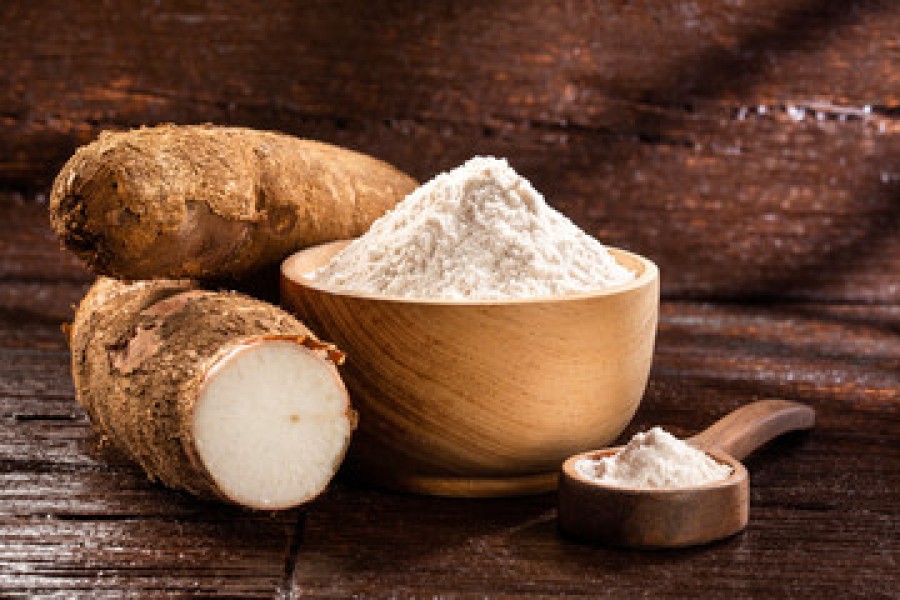
Cassava starch, also known as tapioca starch, is a fine, white powder derived from the cassava root (Manihot esculenta), a tropical plant native to South America. It is widely used as a thickening agent and binding agent in various culinary applications and is valued for its gluten-free properties.
Production Process
The production of cassava starch involves several steps:
Nutritional Profile
Cassava starch is primarily composed of carbohydrates and contains minimal protein and fat. It is low in calories and free from gluten, making it an ideal ingredient for those with gluten sensitivities or celiac disease. However, it is also low in essential nutrients, so it is often recommended to be consumed as part of a balanced diet.
Culinary Uses
Cassava starch is a versatile ingredient used in various culinary applications, including:
Industrial Applications
Beyond the kitchen, cassava starch has various industrial uses. It is used in the production of biodegradable plastics, paper, textiles, and as an adhesive in various manufacturing processes. Its eco-friendly nature makes it a sustainable alternative in many industries.
Storage
Cassava starch should be stored in a cool, dry place in an airtight container to maintain its quality and prevent moisture absorption. Proper storage will extend its shelf life and preserve its functional properties.
Cultural Significance
In many cultures, particularly in South America and Africa, cassava starch is an integral part of traditional cuisine. It plays a crucial role in various dishes and is often associated with local food practices.

🔥


