Previous Product


Overview
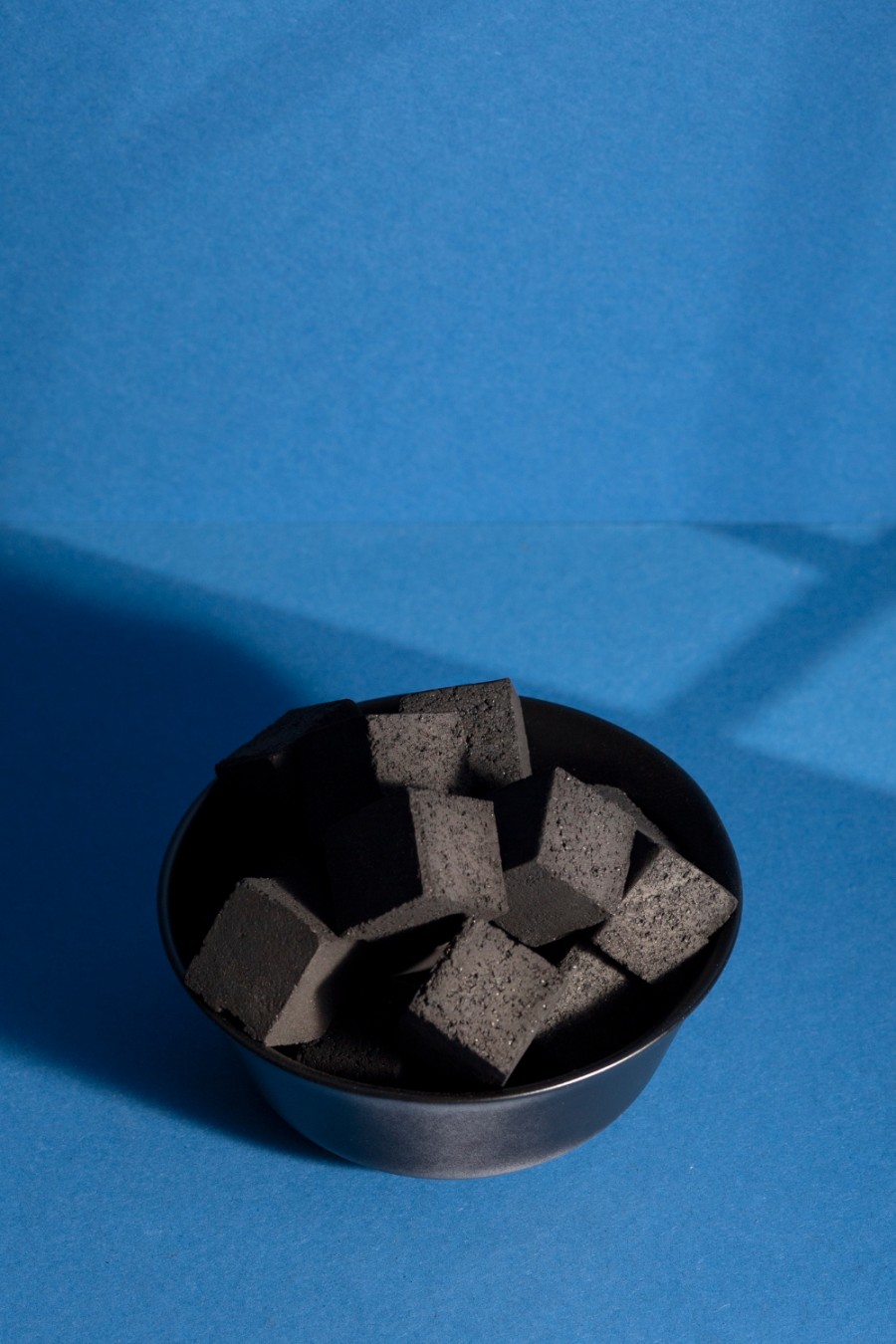
Coconut briquette charcoal is an innovative and sustainable fuel source crafted from compressed coconut shell charcoal. This environmentally friendly product not only provides a cleaner and more efficient burning experience compared to traditional charcoal but also embodies the essence of tropical living. With its unique shape, high energy output, and low emissions, coconut briquette charcoal is becoming a popular choice for grilling enthusiasts, chefs, and eco-conscious consumers alike.
Production Process
The production of coconut briquette charcoal involves several steps that ensure its quality and efficiency:
Sourcing Coconut Shells: The process begins with sourcing dried coconut shells, which are often byproducts of the coconut industry. These shells are collected and cleaned to remove any impurities.
Carbonization: The cleaned shells undergo carbonization, where they are heated at high temperatures in the absence of oxygen. This process transforms the shells into charcoal by removing moisture and volatile compounds.
Briquetting: The carbonized charcoal is then ground into a fine powder and mixed with a natural binding agent, such as cassava starch. The mixture is then compressed into briquette shapes using a hydraulic press, creating a dense and uniform product.
Drying: The formed briquettes are dried to remove excess moisture, ensuring they burn efficiently and evenly.
Key Features
Coconut briquette charcoal boasts several appealing characteristics:
High Energy Density: Coconut briquettes burn hotter and longer than traditional charcoal, providing a consistent heat source for grilling, barbecuing, and cooking.
Low Ash and Smoke Production: They produce minimal ash and smoke during combustion, making them a cleaner option for indoor and outdoor cooking. This results in less mess and a more enjoyable cooking experience.
Natural Aroma: As they burn, coconut briquettes emit a subtle, pleasant coconut aroma, enhancing the flavor of grilled foods without overpowering them.
Environmental Benefits
Coconut briquette charcoal is not just a superior fuel source; it also contributes positively to the environment:
Sustainable Production: By utilizing coconut shells, which would otherwise go to waste, coconut briquettes promote sustainability and resource efficiency.
Reduced Deforestation: Using coconut briquettes helps decrease reliance on wood charcoal, thereby reducing deforestation and protecting natural habitats.
Carbon Neutral: The carbon released during combustion is offset by the carbon absorbed by the coconut palms during their growth, making coconut briquette charcoal a carbon-neutral fuel source.
Culinary Applications
Coconut briquette charcoal is ideal for a variety of culinary applications:
Grilling and Barbecuing: Perfect for grilling meats, vegetables, and seafood, coconut briquettes deliver high, steady heat for beautifully seared dishes.
Smoking: Their low smoke production makes them suitable for smoking, allowing the natural flavors of food to shine through without interference.
Stovetop Cooking: Suitable for use in traditional stoves and clay pots, coconut briquettes offer a practical solution for home cooking.
Storage and Usage
To maintain the quality of coconut briquette charcoal, store it in a cool, dry place, away from moisture. Proper storage ensures optimal burning performance and prolongs the shelf life of the briquettes.

🔥


