Previous Product


Overview
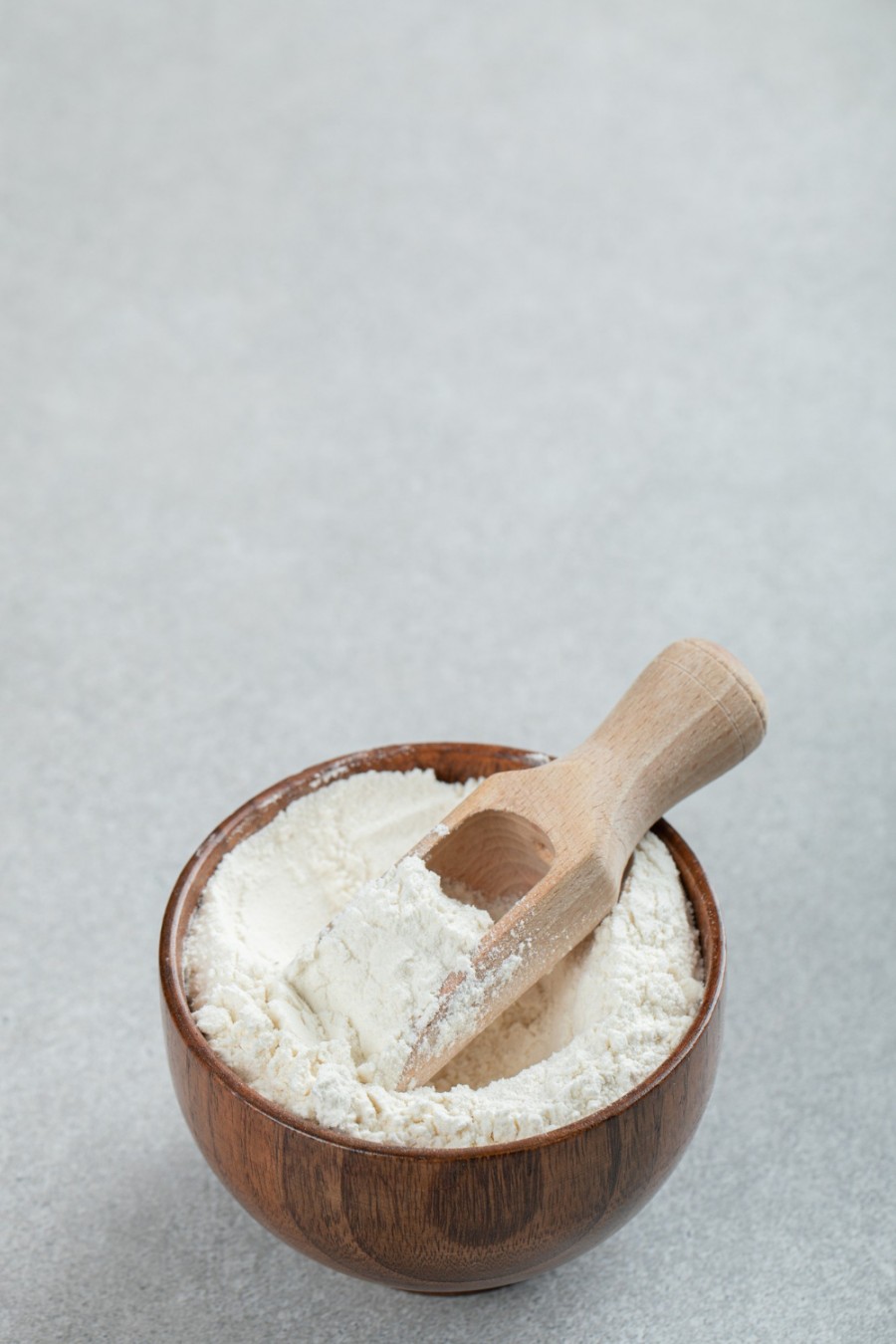
Coconut flour is a gluten-free flour made from the dried meat of coconuts (Cocos nucifera). It has gained immense popularity among health-conscious consumers and culinary enthusiasts due to its unique flavor, high nutritional value, and versatility in various recipes. With its natural sweetness and subtle coconut aroma, coconut flour offers an exciting alternative to traditional flours, making it a must-have in both home and professional kitchens.
Production Process
The production of coconut flour involves a few simple yet effective steps:
Coconut Meat Extraction: The process begins with extracting the white flesh of mature coconuts, which is rich in healthy fats and fibers.
Drying: The extracted coconut meat is then dried at low temperatures to remove moisture while preserving its nutrients and flavor.
Grinding: Once dried, the coconut meat is finely ground into a soft, flour-like consistency, resulting in coconut flour that is light and fluffy.
Nutritional Profile
Coconut flour is packed with essential nutrients, making it a fantastic addition to a balanced diet:
High in Fiber: With a fiber content of around 60%, coconut flour aids digestion, promotes satiety, and helps regulate blood sugar levels.
Low in Carbohydrates: Compared to traditional flours, coconut flour is lower in carbohydrates, making it a popular choice for low-carb and ketogenic diets.
Rich in Healthy Fats: Contains medium-chain triglycerides (MCTs), which may support energy levels and improve metabolism.
Vitamins and Minerals: A source of essential nutrients, including manganese, copper, and selenium, which contribute to overall health and wellness.
Flavor and Texture
Coconut flour has a mild, slightly sweet flavor with a hint of coconut, adding a delicious twist to both sweet and savory dishes. Its texture is fine and powdery, making it easy to incorporate into various recipes without clumping.
Culinary Uses
Coconut flour is incredibly versatile and can be used in numerous culinary applications:
Baking: Perfect for making pancakes, muffins, cookies, and breads. Due to its high fiber content, recipes often require additional eggs or liquid to achieve the desired consistency.
Thickening Agent: Can be used as a natural thickener for soups, sauces, and gravies, adding both flavor and texture.
Coating: Ideal for coating meats and vegetables before frying or baking, providing a crispy, gluten-free crust.
Smoothies and Shakes: A nutritious addition to smoothies, boosting fiber and providing a natural sweetness.
Storage
To maintain its freshness and nutritional quality, coconut flour should be stored in an airtight container in a cool, dry place. It can also be refrigerated or frozen to extend its shelf life and prevent moisture absorption.
Health Benefits
Coconut flour offers several potential health benefits:
Digestive Health: The high fiber content promotes healthy digestion and regular bowel movements.
Blood Sugar Control: Its low glycemic index may help stabilize blood sugar levels, making it suitable for those with diabetes.
Weight Management: The fiber content can promote feelings of fullness, aiding in weight management and reducing overall calorie intake.

🔥


