Previous Product


Overview
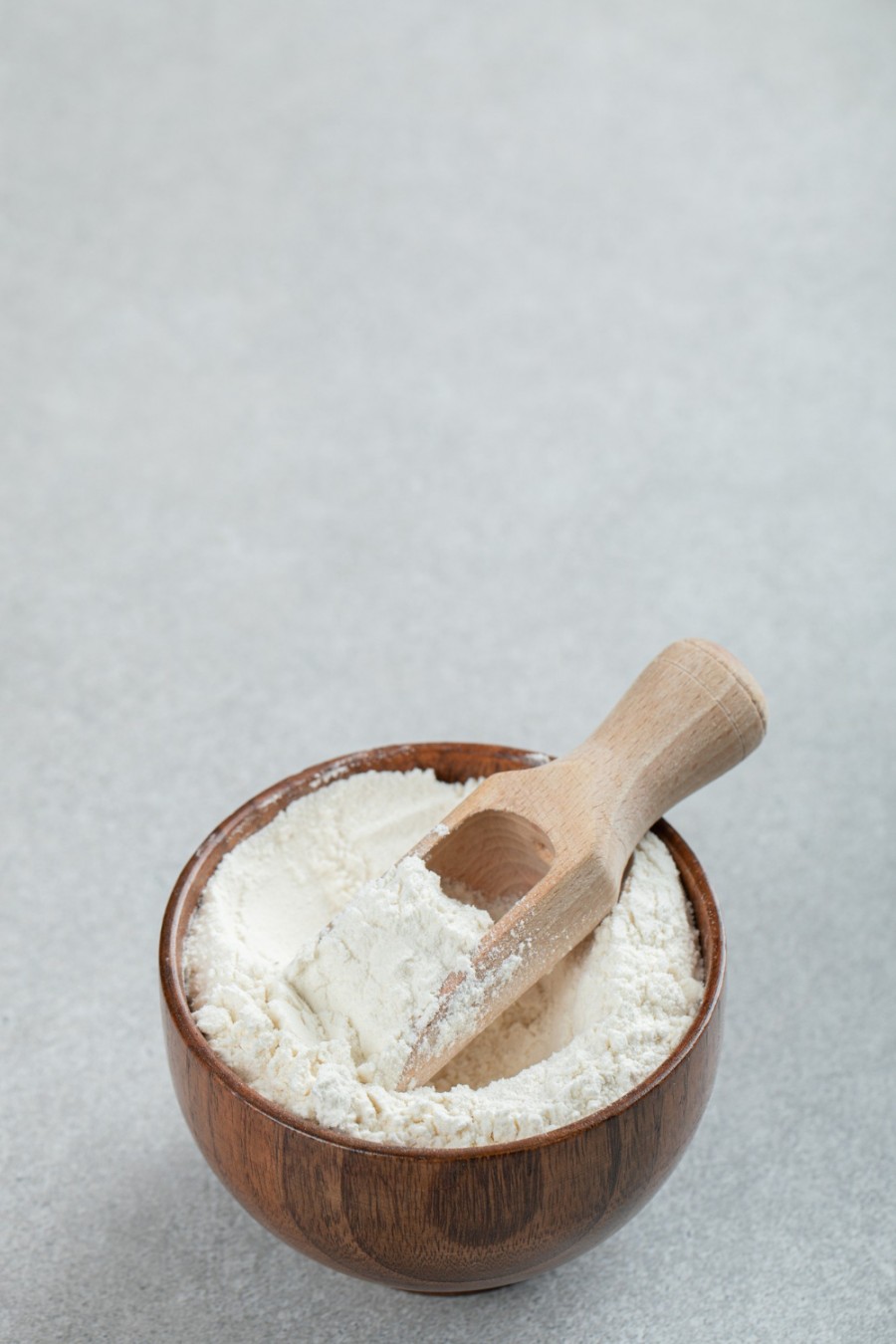
Coconut flour is a gluten-free flour made from the dried and ground meat of coconuts (Cocos nucifera). This versatile flour has gained popularity as a healthy alternative to traditional wheat flour, especially among those following gluten-free, paleo, or ketogenic diets. With its unique flavor and texture, coconut flour can enhance a variety of recipes while providing essential nutrients.
Production Process
Coconut flour is produced by first extracting the oil from the coconut meat, resulting in a byproduct known as coconut meal or cake. This leftover meat is then dried and finely ground to create a soft, fluffy flour. The extraction process removes much of the fat content, resulting in a flour that is high in fiber and low in carbohydrates.
Nutritional Profile
Coconut flour is rich in nutrients, making it a valuable addition to a balanced diet:
Flavor and Texture
Coconut flour has a mild, slightly sweet flavor reminiscent of coconut, which can enhance both sweet and savory dishes. Its texture is light and fluffy, making it suitable for a variety of culinary applications.
Culinary Uses
Coconut flour is incredibly versatile and can be used in a wide range of recipes:
Storage
To maintain its freshness, coconut flour should be stored in an airtight container in a cool, dark place. It can also be refrigerated or frozen to extend its shelf life. Proper storage helps preserve its flavor and nutritional quality.
Health Benefits
Coconut flour offers several potential health benefits:

🔥


