Previous Product


Overview
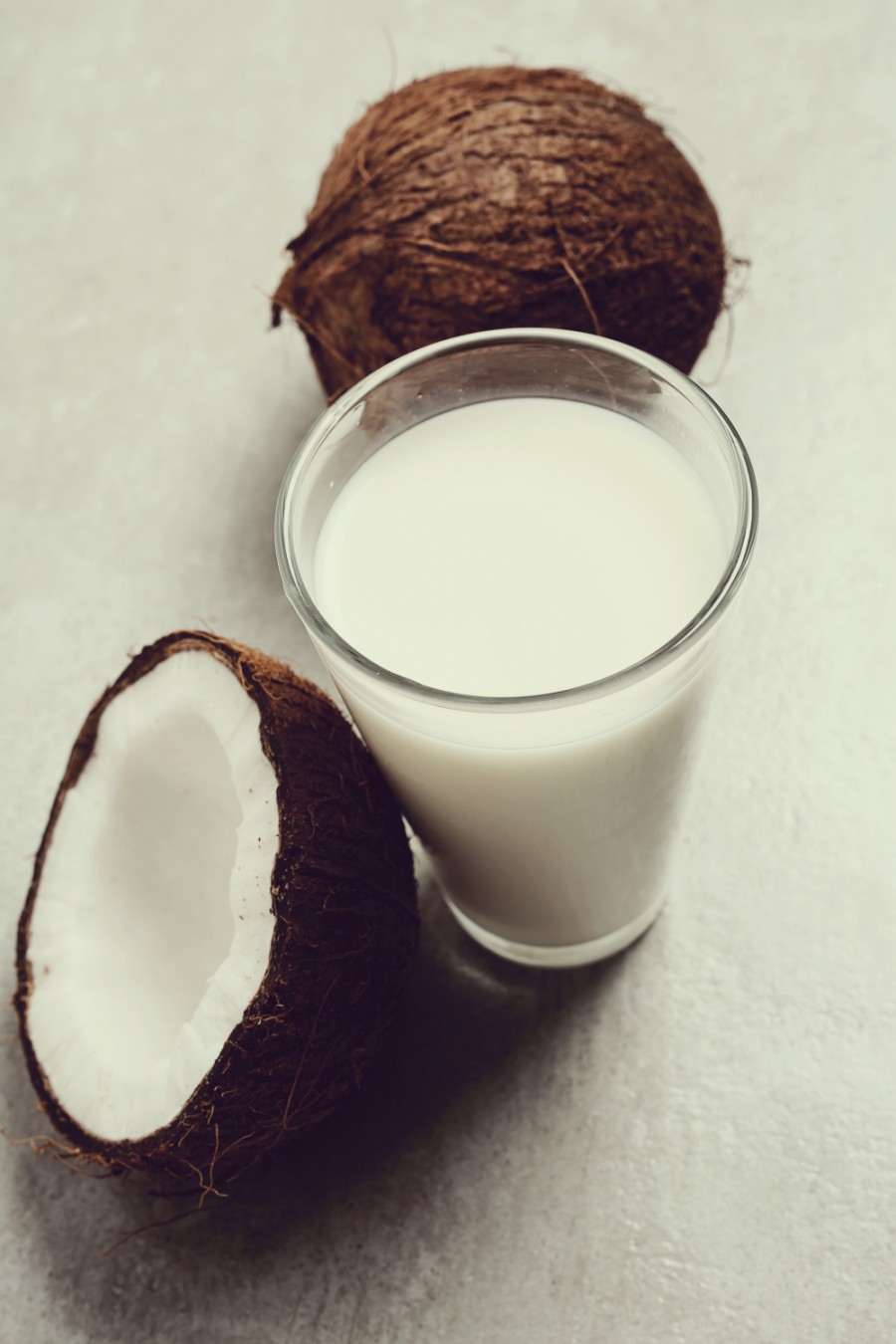
Coconut milk is a rich and creamy liquid extracted from the flesh of mature coconuts (Cocos nucifera). This versatile ingredient is a staple in many cuisines around the world, particularly in Southeast Asian and Caribbean dishes. Known for its luscious texture and delightful flavor, coconut milk is not only a delicious addition to recipes but also a nutritious alternative to dairy products. Whether used in savory dishes, desserts, or beverages, coconut milk brings the essence of tropical paradise to your table.
Production Process
The creation of coconut milk involves a simple yet effective process:
Coconut Selection: The journey begins with the careful selection of mature coconuts, which contain the best quality flesh for extraction.
Flesh Extraction: The white, meaty part of the coconut is removed from the shell. This fresh coconut meat is the key to making high-quality coconut milk.
Blending: The extracted coconut flesh is blended with water, creating a smooth and creamy mixture. The ratio of coconut to water can vary depending on the desired thickness of the milk.
Straining: The blended mixture is then strained through a fine sieve or cheesecloth to separate the liquid from the coconut pulp. The resulting liquid is pure coconut milk, while the remaining pulp can be used in other recipes or as a nutritious addition to smoothies.
Nutritional Profile
Coconut milk is not only delicious but also packed with nutrients:
Healthy Fats: It contains medium-chain triglycerides (MCTs), which can provide quick energy and may support weight management.
Vitamins and Minerals: Rich in vitamins C, E, and several B vitamins, as well as essential minerals like magnesium, potassium, and iron, coconut milk contributes to overall health.
Dairy-Free Alternative: With its creamy texture and natural sweetness, coconut milk is a popular choice for those following dairy-free or vegan diets.
Flavor and Texture
Coconut milk has a subtly sweet and nutty flavor, complemented by its smooth, creamy texture. Its richness makes it an ideal base for a wide variety of dishes, enhancing flavors and adding depth to culinary creations.
Culinary Uses
Coconut milk is incredibly versatile and can be used in countless recipes:
Curries and Soups: A key ingredient in many Asian curries and soups, coconut milk adds a creamy richness and balances spices.
Beverages: Perfect for smoothies, coffee, or as a dairy alternative in lattes and milkshakes, coconut milk adds a tropical flair to beverages.
Desserts: Used in puddings, ice creams, and baked goods, coconut milk imparts a delightful sweetness and creamy consistency to desserts.
Sauces and Marinades: Incorporate coconut milk into sauces and marinades for a flavorful twist on traditional recipes.
Storage
To maintain its freshness, coconut milk should be stored in an airtight container in the refrigerator after opening. Unopened cans or cartons can be kept in a cool, dry place. Homemade coconut milk should be used within a few days for optimal freshness.

🔥


