Previous Product


Overview
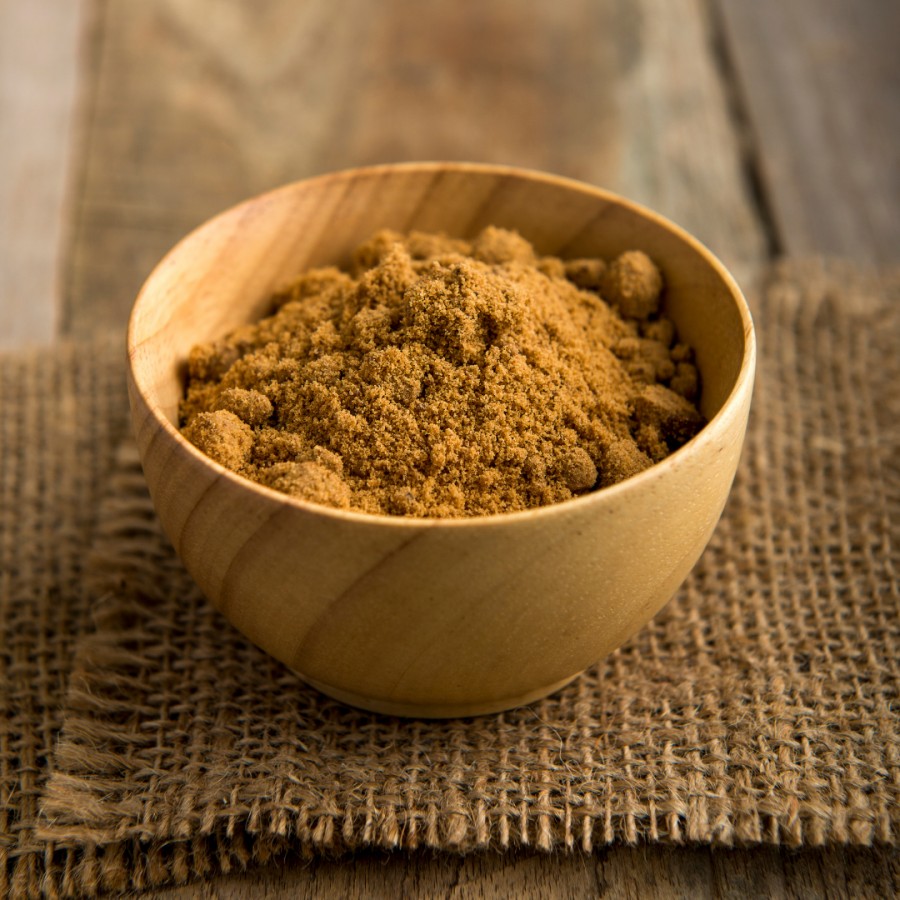
Conventional Coconut Sugar is a natural sweetener derived from the sap of the flower buds of the coconut tree (Cocos nucifera). Known for its rich, caramel-like flavor and minimal processing, coconut sugar is an excellent alternative to refined sugars, offering a healthier option for sweetening a variety of dishes. This versatile sweetener is not only delicious but also retains many of the nutrients found in the coconut tree, making it a popular choice for health-conscious consumers and culinary enthusiasts alike.
Production Process
The production of conventional coconut sugar involves a simple and traditional method that preserves the sap’s natural goodness:
Harvesting the Sap: The process begins with carefully tapping the flower buds of the coconut tree to collect the sap, known as "toddy." This sap is harvested in the early morning to ensure freshness.
Boiling: The collected sap is then gently boiled to evaporate excess water, which concentrates the flavor and transforms it into a thick syrup.
Granulation: As the syrup continues to boil, it is stirred until it crystallizes into granules. This granulation process results in the sweet, brown sugar-like texture of coconut sugar.
Cooling and Packaging: Once the desired granulation is achieved, the coconut sugar is cooled and packaged for distribution. Conventional coconut sugar is typically free from additives or preservatives, ensuring a pure, natural product.
Nutritional Profile
Conventional coconut sugar is not just a tasty sweetener; it also offers several nutritional benefits:
Lower Glycemic Index: With a lower glycemic index than refined sugars, coconut sugar causes a slower rise in blood sugar levels, making it a preferable choice for those managing their sugar intake.
Vitamins and Minerals: It contains essential nutrients, including potassium, magnesium, zinc, and B vitamins, contributing to overall health.
Inulin Fiber: Coconut sugar contains inulin, a type of dietary fiber that may support digestive health and help regulate blood sugar levels.
Flavor and Texture
Conventional coconut sugar has a rich, caramel-like flavor with subtle hints of coconut. Its coarse granules resemble brown sugar and can be easily used in various recipes, adding depth and complexity to both sweet and savory dishes.
Culinary Uses
Conventional coconut sugar is incredibly versatile and can be incorporated into countless recipes:
Baking: Substitute coconut sugar for white or brown sugar in cookies, cakes, and muffins to add a unique flavor and moist texture.
Beverages: Sweeten coffee, tea, smoothies, or homemade juices with coconut sugar for a natural, rich sweetness.
Savory Dishes: Use coconut sugar in marinades, sauces, or dressings to balance flavors and enhance the taste of meats and vegetables.
Toppings: Sprinkle coconut sugar over oatmeal, yogurt, or fruit for a deliciously sweet finishing touch.
Storage
To maintain its freshness and prevent clumping, store conventional coconut sugar in an airtight container in a cool, dry place. When properly stored, it can last for several months.

🔥


