Previous Product


Overview
Cardamom (Elettaria cardamomum) is a spice made from the seeds of several plants in the ginger family. Native to India and Indonesia, cardamom is known for its distinctive, aromatic flavor and is often referred to as the "Queen of Spices." It is one of the world’s oldest and most valued spices, prized for its warm, slightly sweet, and citrusy flavor profile. It is commonly used in both savory and sweet dishes as well as traditional medicines.
Types of Cardamom
There are two main types of cardamom:
Appearance
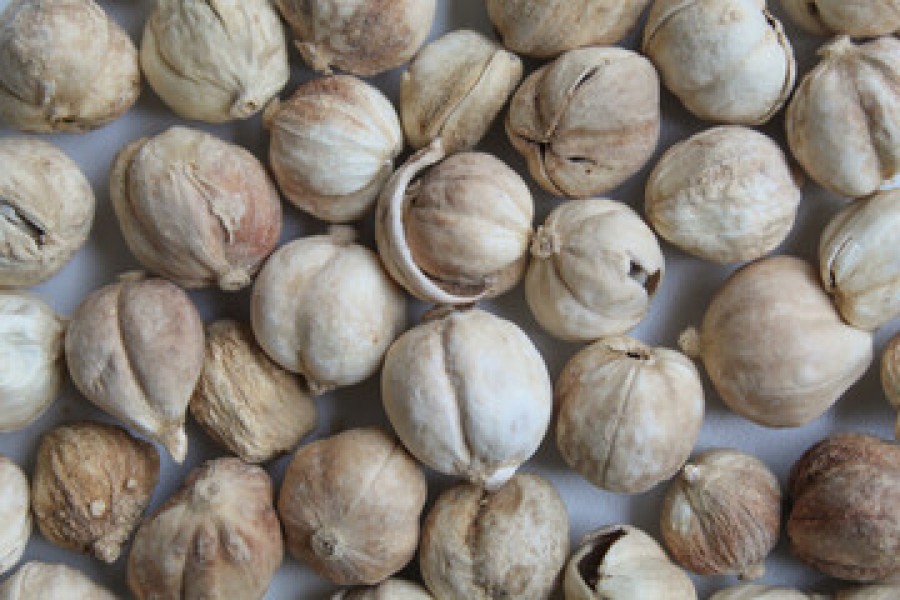
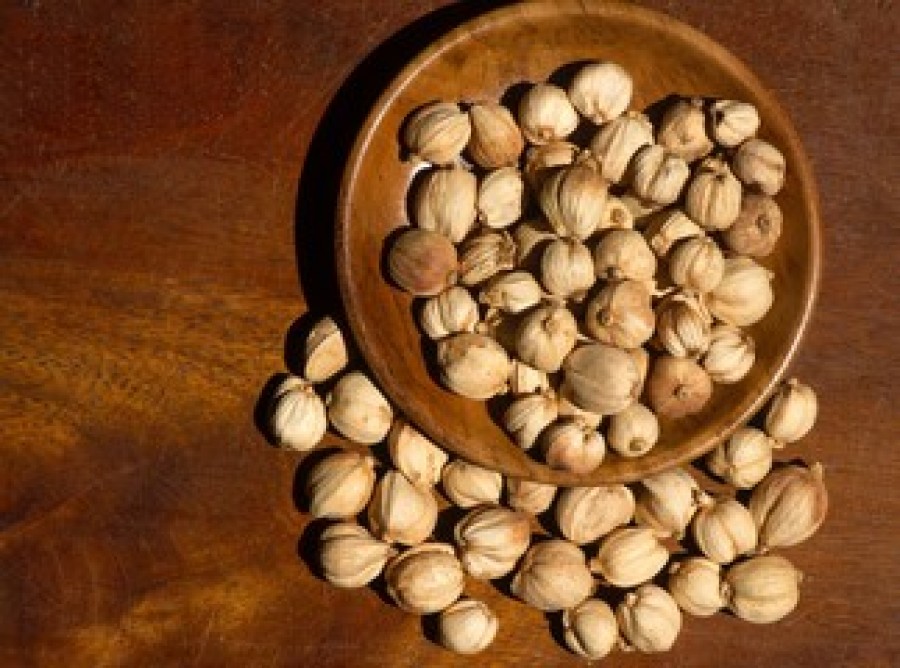
Cardamom comes in small, green or brown pods, each containing tiny black seeds. The pods can be used whole, or the seeds can be ground into a powder. Whole pods are often preferred in cooking to release their flavor gradually, while ground cardamom is used for a more intense, immediate flavor.
Nutritional Profile
Cardamom is low in calories but rich in essential oils and antioxidants. It also contains small amounts of dietary fiber, vitamins (such as vitamin C), and minerals like magnesium, calcium, and potassium.
Health Benefits
Cardamom has been used for centuries in traditional medicine, particularly in Ayurvedic and Chinese medicine, for its numerous health benefits:
Culinary Uses
Cardamom is a versatile spice used in a variety of culinary applications:
Cultural Significance
Cardamom is deeply rooted in many cultures, particularly in Indian, Middle Eastern, and Scandinavian cuisines. In India, it is an essential ingredient in traditional dishes and sweets, as well as in masala chai. In the Middle East, it is used to flavor Arabic coffee (gahwa) and desserts. Scandinavian countries use cardamom extensively in baking, giving their pastries and breads a distinctive flavor.
Storage
To maintain its flavor and aroma, cardamom should be stored in an airtight container in a cool, dark place. Whole pods retain their flavor longer than ground cardamom, which can lose its potency over time.

🔥


