Previous Product


Overview
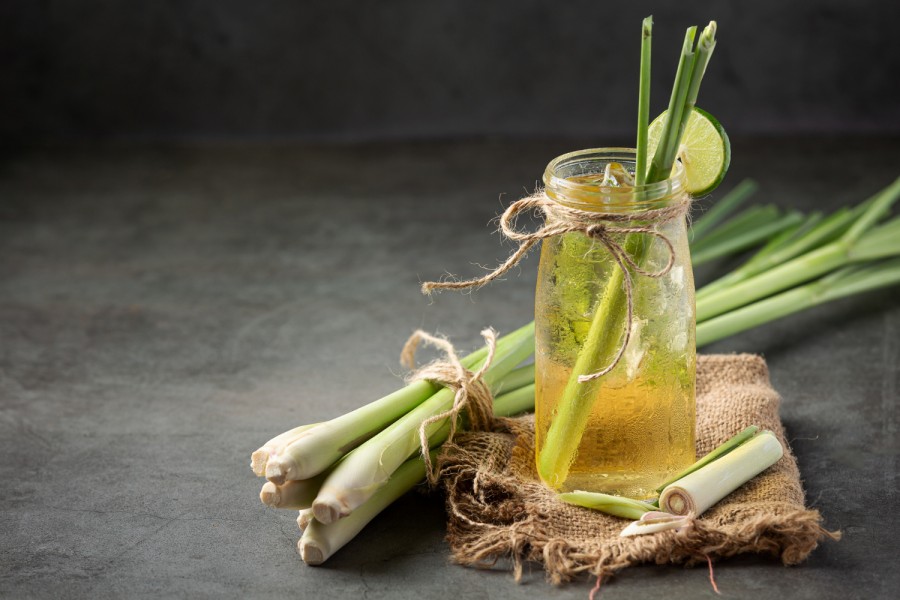
Lemongrass (Cymbopogon citratus) is a tropical herb known for its distinctive citrus aroma and flavor. Native to Southeast Asia, lemongrass is widely used in various cuisines around the world, especially in Thai, Vietnamese, and Indian cooking. It is valued not only for its culinary applications but also for its potential health benefits.
Appearance
Lemongrass consists of long, slender stalks that are light green at the base and gradually transition to a yellowish hue towards the top. The stalks are fibrous and can be used fresh, dried, or in powdered form. The leaves are long and narrow, often used to infuse flavor in dishes or teas.
Nutritional Profile
Lemongrass is low in calories and contains essential vitamins and minerals, including vitamin C, vitamin A, folate, potassium, and magnesium. It is also rich in antioxidants and possesses antimicrobial properties.
Health Benefits
Lemongrass has been used in traditional medicine for centuries, and its potential health benefits include:
Culinary Uses
Lemongrass is a versatile ingredient that adds a unique citrus flavor to a variety of dishes:
Cultural Significance
In many Southeast Asian cultures, lemongrass is not only a culinary staple but also holds cultural significance. It is often used in traditional rituals and practices, and its essential oil is used in perfumes and cosmetics. In herbal medicine, lemongrass has been utilized for its therapeutic properties for generations.
Storage
Fresh lemongrass should be stored in the refrigerator, wrapped in a damp paper towel and placed in a plastic bag to maintain its freshness. Dried lemongrass should be kept in an airtight container in a cool, dark place.

🔥


